Are you staring at a number and wondering if it is the right list price for your Glen Ridge home? You are not alone. In a town known for historic charm and easy rail access, small details can swing value more than you expect. In this guide, you will learn how to use local data, a clear pricing workflow, and smart preparation to set a strong, defensible price. Let’s dive in.
What drives value in Glen Ridge
Glen Ridge attracts buyers who want a convenient commute and a classic streetscape. Rail service and road access to Newark and New York matter, so confirm current train schedules and frequency through NJ Transit’s rail information when you discuss commute benefits in your listing.
Many buyers review objective school data when comparing towns. You can point them to the latest NJ School Performance Reports for district-level information. Keep the language neutral and stick to facts.
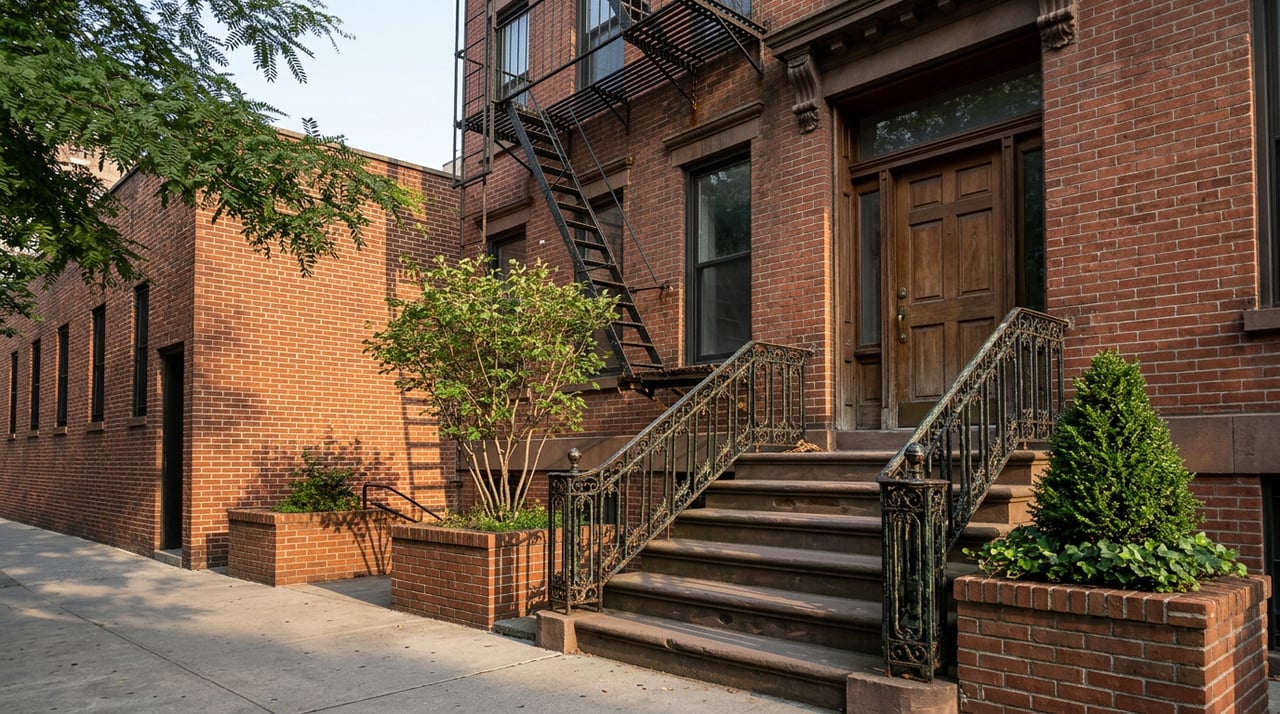
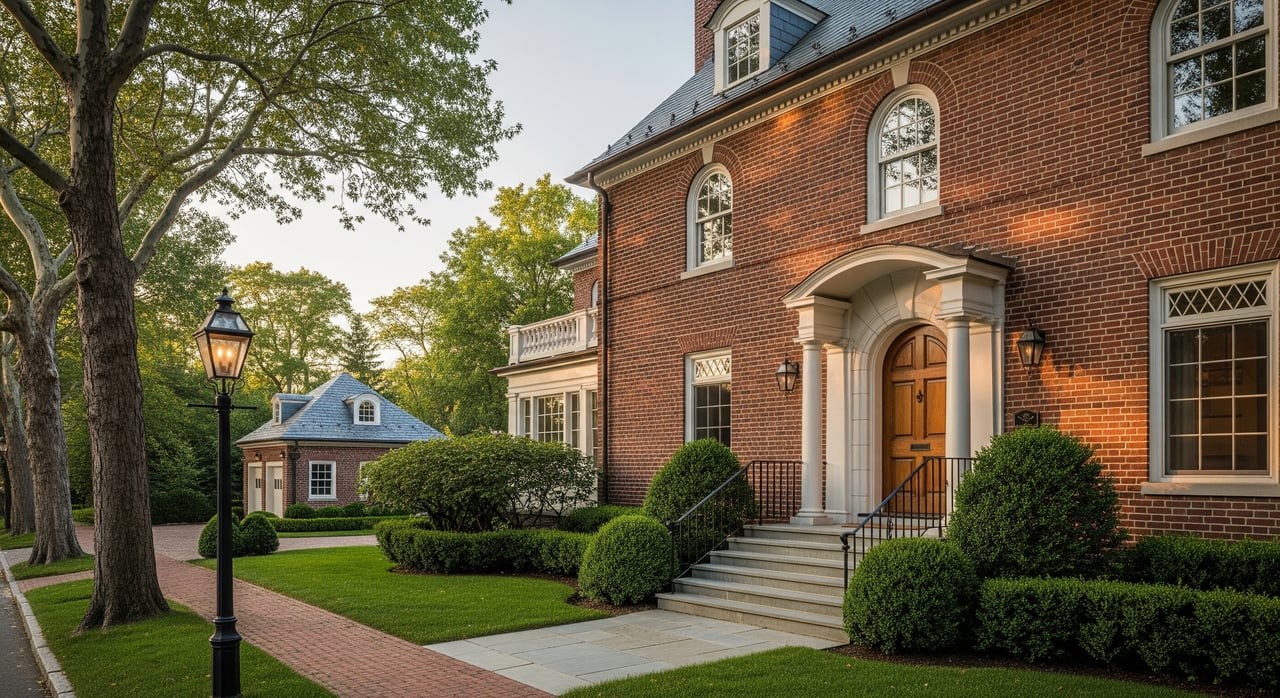
Much of the local housing stock is older and architecturally distinctive. Original details can increase appeal, but they also make buyers look closely at system ages, maintenance and permitted work. Expect cross-shopping with nearby Essex County communities. Buyers compare price per square foot, taxes, inventory and commute options across towns.
Check market conditions before you price
Before you set a number, check the current backdrop:
- Inventory and days on market. Low inventory usually supports firmer pricing. Rising inventory means more competition and slower absorption.
- Mortgage rates. Rate changes affect monthly affordability and negotiation strength. Use the current rate environment when thinking about demand.
- Seasonality. Spring and early summer tend to see more listings and showings. In slower months, a sharper price can shorten time to contract.
Track these metrics with recent MLS data: median sold price, months of supply, average days on market and sale-to-list ratio. If you do not have MLS access, ask a local agent for a fresh report before you list.
Build a Glen Ridge CMA
A Comparative Market Analysis is the backbone of a confident price. Here is how to structure yours.
Get your facts straight
Collect accurate property details first. Confirm finished square footage, bed and bath count, lot size, garage and parking, major system ages, finished basement or attic, roof and window ages, and permit history. Cross-verify with county records and prior listings to avoid surprises.
Choose and adjust comps
- Start with 3 to 6 recent closed sales plus relevant pending and active listings within about 0.25 to 1.0 mile. Expand the radius only if truly comparable homes are limited.
- Match on age, style and condition. A renovated early-1900s Colonial is not directly comparable to an unrenovated one with the same square footage.
- Make written adjustments for key differences. Common Glen Ridge value drivers include finished basement quality, attic conversions with proper egress, lot depth and privacy, garage and off-street parking, updated kitchens and baths, roof and HVAC age, and preserved historic details. Keep a clear rationale for each adjustment.
- Use price per square foot as a sense check only. Older homes vary by ceiling height, layout and finish level, so rely on detailed adjustments rather than a single metric.
Set a price range and test it
From your adjusted comps, derive a low, target and high list price range. Then run a quick what-if analysis:
- Days on market. How long did your closest comps take to go under contract?
- Offer dynamics. Would pricing at the low end likely spark multiple offers, or does the market look thin?
- Appraisal risk. Does your target price align with recent closed sales, or will it require an appraisal gap plan if financed buyers compete?
Pick a pricing strategy
Choose a strategy that fits the market data and your goals:
- Slightly below a round number. Can boost showings and set up a multiple-offer scenario in a tight market. Risk of leaving money on the table if demand is weak.
- At market. A data-backed, balanced approach to attract qualified buyers without long delays. Depends on an accurate CMA.
- Above market. May work for a uniquely positioned home and a niche buyer pool. Often results in longer days on market and potential price reductions.
- Value-add framing. Sometimes used when a seller offers credits or plans to complete permitted work before closing. Use with care and clear documentation.
Prepare your home to support your price
Presentation and transparency help you achieve your target price and sail through appraisal.
- Pre-list inspection. Consider a pre-list inspection to surface issues that could undermine buyer confidence or derail a contract. Decide where targeted repairs or credits make the most sense.
- Staging and media. Professional photography and floor plans improve online engagement and traffic. Light staging can clarify room use and highlight period details without masking the home’s true condition.
- Pricing packet. Share a short, clear comp summary with buyers and appraisers. Be transparent about updates, permits and any recent repairs.
Taxes, permits and risk checks
- Property taxes. Essex County tax levels impact monthly affordability and buyer pool size. Be ready to provide the current tax bill and any exemption or appeal history.
- Permits and code. Unpermitted work can reduce financing options and create closing delays. Use the Glen Ridge Borough website to confirm local permitting information.
- Flood risk. If your property is near streams or low-lying areas, verify status through the FEMA Flood Map Service Center. Flood designations can affect insurance requirements and pricing.
Time your launch
Use seasonality to your advantage. If spring activity is rising, target early exposure to catch peak traffic. In a softer market, price competitively from day one rather than testing high and chasing the market with reductions. After 7 to 14 days, evaluate showings and feedback. Low traffic or consistent price resistance is a signal to adjust either price or presentation.
Seller checklist
Use this quick checklist to stay organized from pricing through launch:
- Confirm property facts and measurements against public records.
- Gather permits, warranties, and a list of updates with dates.
- Order a pre-list inspection for major systems and structural items.
- Complete targeted repairs that improve buyer confidence.
- Stage key rooms and schedule professional photos plus a floor plan.
- Build a simple CMA packet with 3 to 6 recent sold comps and a few active competitors.
- Select a pricing strategy and set a reassessment point at day 7 to 14.
Local tools and data sources
Link to official sources when buyers ask for documentation:
- Rail schedules and service details: NJ Transit rail information
- School performance data: NJ School Performance Reports
- Borough permitting and local ordinances: Glen Ridge Borough
- Flood zone status: FEMA Flood Map Service Center
For sold, pending and active comps, the local MLS is the most accurate source. Ask a local agent for an MLS-based CMA tailored to your property.
Ready to price with confidence
Pricing a Glen Ridge home is part data, part strategy and part presentation. When you combine a disciplined CMA with smart prep and a clear plan for timing and negotiation, you can attract the right buyers and protect your bottom line.
If you want a pricing plan tailored to your address, reach out to The Hudson Essex Collection for a data-backed CMA, staging guidance and premium marketing distribution. Get Your Instant Home Valuation and a clear path to market.
FAQs
How accurate are online home value estimates in Glen Ridge?
- Use them as a broad starting point only. Older, distinctive homes and small data sets can confuse automated models, so always verify with an MLS-backed CMA.
How many comparable sales should I use in my CMA for Glen Ridge?
- Aim for 3 to 6 high-quality sold comps plus a few active and pending listings to show current competition and momentum.
Should I list above what an appraisal might support?
- Pricing above comps raises appraisal risk and can slow the sale. If strong demand is likely, discuss appraisal gap strategies before you list.
When should I reduce my price if showings are low?
- Reassess after 7 to 14 days. Low traffic or consistent feedback about price usually calls for a strategic adjustment rather than small weekly cuts.
Do Essex County property taxes affect my sale price?
- Yes. Higher taxes reduce buyer affordability and can narrow the buyer pool. Be ready to explain the current bill and any recent appeals or exemptions.
How do historic features impact value in Glen Ridge?
- Original details can increase appeal for some buyers, but system ages, maintenance and permitted work carry significant weight in pricing and appraisal.
What if my Glen Ridge home is near a flood zone?
- Check the address on the FEMA Flood Map Service Center. Flood designations can affect insurance requirements, buyer financing and pricing.