Craving more space but want a commute that still works for Manhattan? If you are weighing a move from a NYC apartment to Montclair, it helps to picture your daily rhythm before you pack a single box. In this guide, you will see how commuting, neighborhoods, housing, parks, and schools fit together in day-to-day life. Let’s dive in.
Montclair at a glance
Montclair is a dense, walkable Essex County township of about 41,000 residents with multiple village centers and leafy residential streets. You will find a mix of historic homes, station-adjacent apartments, and two lively business districts that keep evenings and weekends active. Recent Census estimates show a mean commute time in the mid 30s minutes, which fits the town’s strong rail connection to New York. You get more space and a neighborhood feel while staying tied to the city’s job centers. Census QuickFacts offers a helpful snapshot of local demographics and commute trends.
Commuting: how your mornings work
Your station options and trains
Most New York commuters use NJ TRANSIT’s Montclair–Boonton Line. Stations in town include Bay Street, Walnut Street, Watchung Avenue, Upper Montclair, Mountain Avenue, Montclair Heights, and the Montclair State University stop. Peak “Midtown Direct” trains offer one-seat rides to New York Penn Station from several Montclair stations. For exact departure and arrival windows, check the current NJ TRANSIT Montclair–Boonton Line timetable and the line information page.
How long the NYC trip really takes
Door-to-door times vary by your home’s distance to a station, parking, and whether you catch a one-seat train. Many commuters budget 45 to 75 minutes door to door for Midtown on typical weekdays. The Census QuickFacts estimate for Montclair shows a mean commute time in the mid 30s minutes, but your personal window depends on station access and train choice. Confirm real-time options before you move by running your specific route through the timetable.
Parking, permits, and alternatives
If you plan to drive to a station, know that permit systems and lot capacity shape your morning. The township’s parking plan outlines supply, demand, and permit considerations for downtown and station lots. Review the Montclair parking supply and demand study to see how access works in your target area. If you prefer not to drive daily, look at homes within a short walk of a station, consider NJ TRANSIT buses along Bloomfield Avenue, or use Montclair State University and park-and-ride options outlined on the NJ TRANSIT line page.
Walkable centers and micro-neighborhoods
Montclair Center energy
Montclair Center is the downtown core around Bloomfield Avenue and Church Street. It is packed with restaurants, cafés, boutiques, and performance venues, and it hosts frequent events. If you want an urban-feeling neighborhood where many errands are walkable, this is a top fit. The Montclair Center BID overview highlights the district’s role as the township’s commercial and cultural hub.
Walnut Street and Depot Square
Centered around Walnut Street Station, this area blends small-scale retail, neighborhood dining, and the beloved seasonal farmers market. The vibe feels village-like and convenient for quick errands. Trains, coffee, and dinner out can all be a short walk.
Upper Montclair and Watchung Plaza
North of downtown, Upper Montclair offers a second major business district with indie shops, restaurants, and a quieter village feel. Watchung Plaza is a small historic node with local businesses and a compact streetscape. Housing nearby leans toward early 20th-century homes on tree-lined blocks.
South End and Bloomfield Avenue corridors
Closer to key roads, the South End and areas near Bloomfield Avenue offer a mix of multi-family buildings, condos, and smaller single-family homes. Drivers appreciate the easier access to I-280 and surrounding routes.
Housing types and what you will find
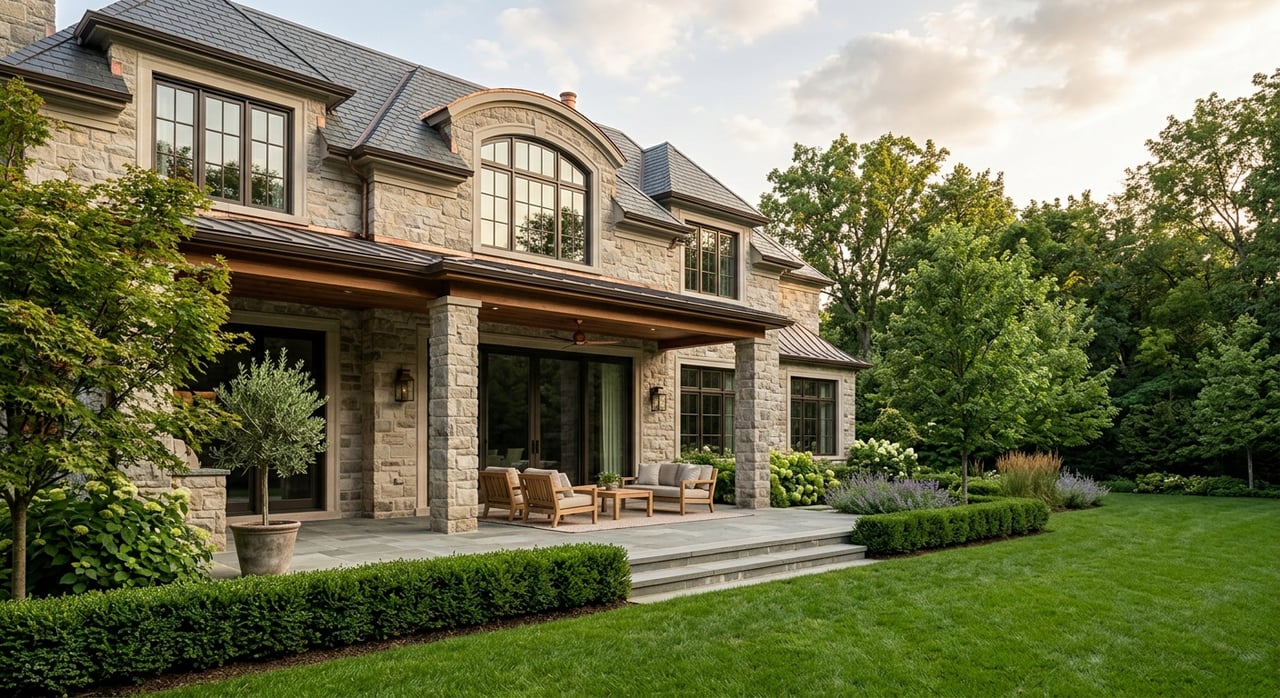
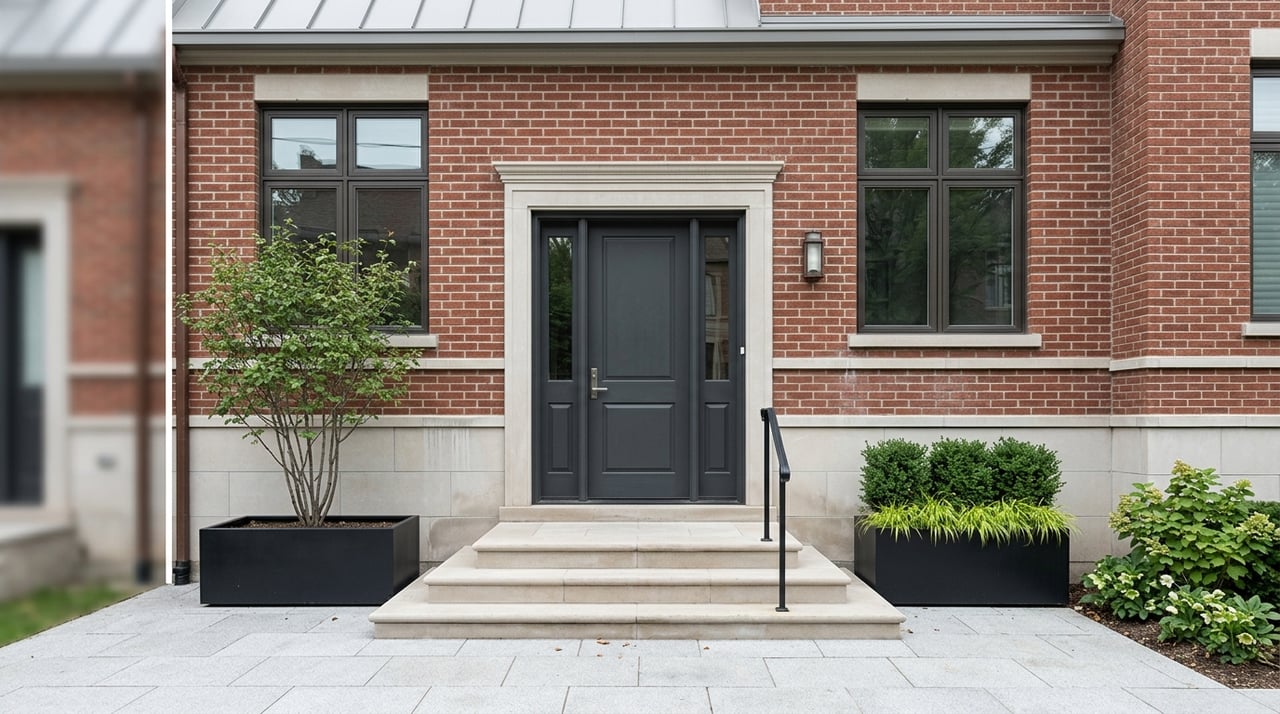
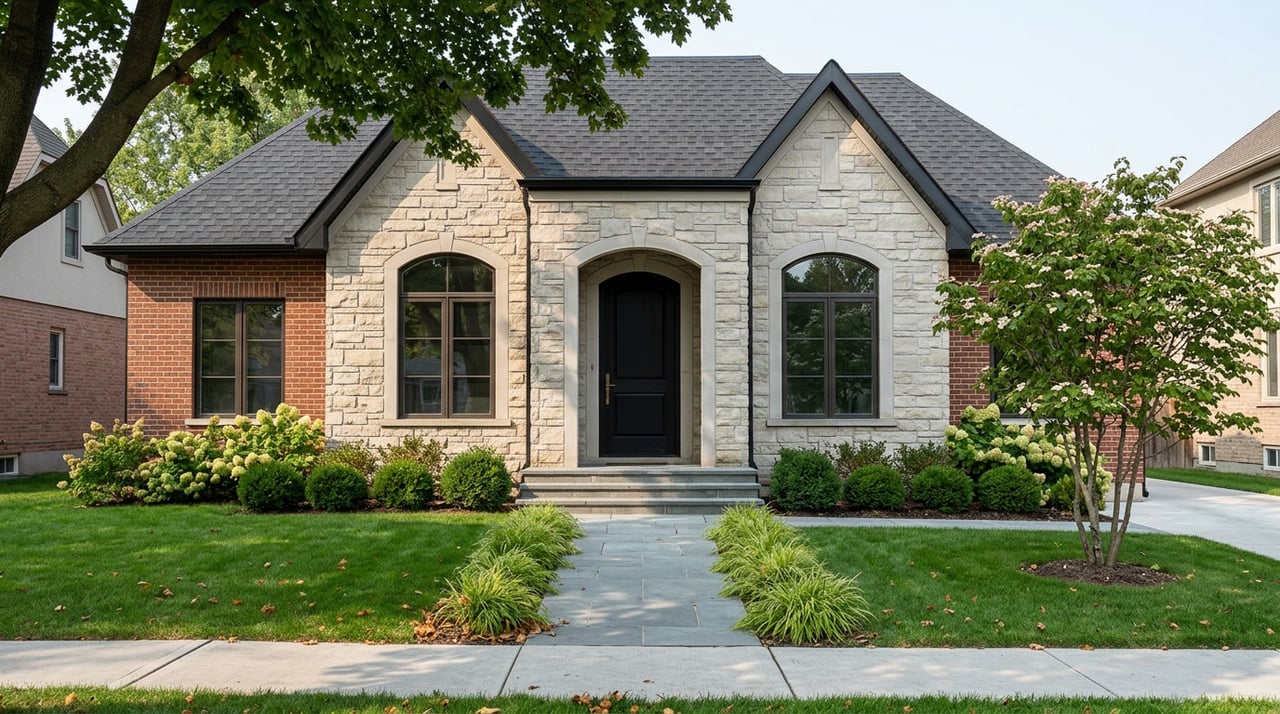
Montclair’s residential fabric is a showcase of late 19th- and early 20th-century architecture: Victorian, Queen Anne, Colonial Revival, Tudors, and Craftsman homes appear in many neighborhoods. Near stations and the downtown core, you will also find garden apartments, condo conversions, brick rowhouse styles, and newer townhome developments. For a look at the township’s historic variety, browse the Montclair History Center’s local architecture resources. In simple terms, you can target bigger historic homes uphill and more compact, walkable options close to stations and retail.
Price patterns reflect demand for space and transit. Across Montclair, many buyers encounter high six- to low seven-figure list prices, with Upper Montclair and newer station-adjacent buildings often at the higher end. Rents for one- and two-bedroom units frequently land in the low-to-mid $2,000s, with premium options above that. Always check current listings when you are ready to move, since prices shift by neighborhood, condition, and season.
Everyday conveniences and fun
Groceries and daily errands
Montclair Center and Upper Montclair both offer independent grocers, specialty shops, and national brands nearby. You can walk for most daily needs in these hubs, then drive a short distance for larger stock-up trips or schedule delivery. The Montclair Center BID report underscores the district’s strong retail mix and main-street convenience.
Evenings out and cultural life
After work, you can choose from casual and fine dining along Bloomfield Avenue and Church Street, with frequent live events in town. The Montclair Art Museum anchors an active arts scene with exhibitions and community programming. Montclair also hosts a celebrated film festival and year-round screenings, plus concerts and shows at local venues, so you do not need to leave town for a vibrant night.
Parks and green space
Weekends revolve around parks, sports, and seasonal events. You will find playgrounds and fields throughout the township, with larger green spaces like Brookdale Park nearby for running paths, festivals, and picnics. Explore locations and amenities through the Montclair parks and facilities directory.
Schools and enrollment basics
Montclair Public Schools overview
Montclair Public Schools operates a full municipal district with a magnet structure across its elementary and middle schools and Montclair High School serving as the comprehensive high school. Families typically review feeder patterns, magnet application timelines, and transportation options before enrolling. Visit the district website for registration details, calendars, and program information.
Private school options
Montclair Kimberley Academy (MKA) is a large independent day school serving pre-K through grade 12 within the township. Families considering private education often compare admissions timelines, tuition, and campus logistics alongside public options. Learn more on the MKA website.
What a weekday can look like
- Morning: You leave your Upper Montclair home at 7:35 a.m., grab coffee near the station, and board a Midtown Direct train. On a good day, you are walking into your Midtown office about an hour later.
- Late afternoon: You leave work a little early, catch an off-peak train, and walk to dinner on Church Street before a show.
- Evening: You take a short stroll home through downtown, or drive five minutes to your block if you parked at Bay Street in the morning. If plans change, you check the current NJ TRANSIT timetable and adjust to a Hoboken or Secaucus transfer as needed.
Practical planning tips before you move
- Test-drive your commute. Visit on a weekday, walk from a few candidate blocks to your preferred station, and ride in and out during your actual hours.
- Map station access and parking. Review the township parking study and confirm permit options early if you plan to drive.
- Budget for the full picture. Montclair often trades lower cost per square foot for higher property taxes and commuting costs. Build these into your monthly plan.
- Align school timelines. If schools are part of your decision, contact the Montclair Public Schools registration office and any private schools of interest several weeks ahead of your move.
- Choose your center of gravity. If nightlife and dining matter most, focus near Montclair Center or Walnut Street. If you want a quieter village feel, look at Upper Montclair and Watchung Plaza.
Ready to explore Montclair?
If you are moving from NYC, Montclair offers a clear path to more space without losing the pulse of the city. With strong rail access, lively business districts, diverse housing, and robust school options, daily life can feel both convenient and connected. When you are ready to tour neighborhoods, test commutes, and weigh tradeoffs, reach out to The Hudson Essex Collection for concierge guidance and a plan that fits your timeline.
FAQs
How long is the NYC commute from Montclair?
- Many commuters budget 45 to 75 minutes door to door, depending on station access and train choice; confirm your times with the NJ TRANSIT Montclair–Boonton Line timetable.
Which Montclair neighborhoods are most walkable for dining and nightlife?
- Montclair Center around Bloomfield Avenue and Church Street offers the highest restaurant and event density, with Walnut Street also strong for walkable dining; see the Montclair Center BID overview.
Will I need a car in Montclair for daily commuting?
- Not if you live near a station; many residents walk to trains. If you plan to drive, review permit and capacity details in the township parking study and the NJ TRANSIT line page.
What should families know about Montclair schools?
- The public district features a magnet system and a comprehensive high school; timelines and transportation vary by program. Start with the Montclair Public Schools site and consider private options like Montclair Kimberley Academy.
How does Montclair housing compare with NYC on space and cost?
- Many buyers trade a smaller city apartment for more square footage, a yard, and neighborhood streets, while taking on higher property taxes and commuting costs; explore architectural styles via the Montclair History Center.