Looking for more room without stretching your budget near Manhattan? If you are comparing Union City and Jersey City Heights, you are in the right spot. Both offer quick access to the city, but they deliver different value per square foot, commute patterns, and neighborhood vibes. In this guide, you will see how far your budget can go, what typical homes look like, and the tradeoffs that matter so you can choose with confidence. Let’s dive in.
Price and value overview
You will typically find more interior space for the money in Union City than in Jersey City Heights. Recent snapshots from major listing aggregators show Union City’s median list price per square foot around the mid $400s (for example, about $450 per square foot in December 2025). By contrast, The Heights often comes in higher, commonly in the $550 to $600 per square foot range in recent neighborhood snapshots through early 2026. These figures vary by source and date, and they differ when you look at median sold prices versus median asking prices.
It also helps to frame overall price levels. Citywide data for Union City showed a median sold price in the mid $500,000s in January 2026, while many recent reports placed The Heights’ median in the upper $700,000s to high $800,000s during a similar period. Again, numbers move month to month, and each site uses different boundaries and sample windows. The key takeaway stays consistent. Union City usually offers a lower price per square foot than The Heights.
What $500,000 can buy
Using the price-per-square-foot arithmetic that many buyers use as a quick check, a $500,000 budget at roughly $450 per square foot in Union City could yield about 1,100 square feet. The same budget in The Heights at about $575 per square foot lands closer to 870 square feet. These are approximate examples using recent medians and will vary by property type and exact location.
Stretching to $750,000
With a $750,000 budget, that same math expands the gap in absolute space. In Union City, you might target about 1,650 square feet at a $450 per square foot benchmark. In The Heights at $575 per square foot, you might see around 1,300 square feet. The spread underscores why budget-focused buyers often start their search in Union City.
Housing types and what “more space” looks like
Union City housing stock
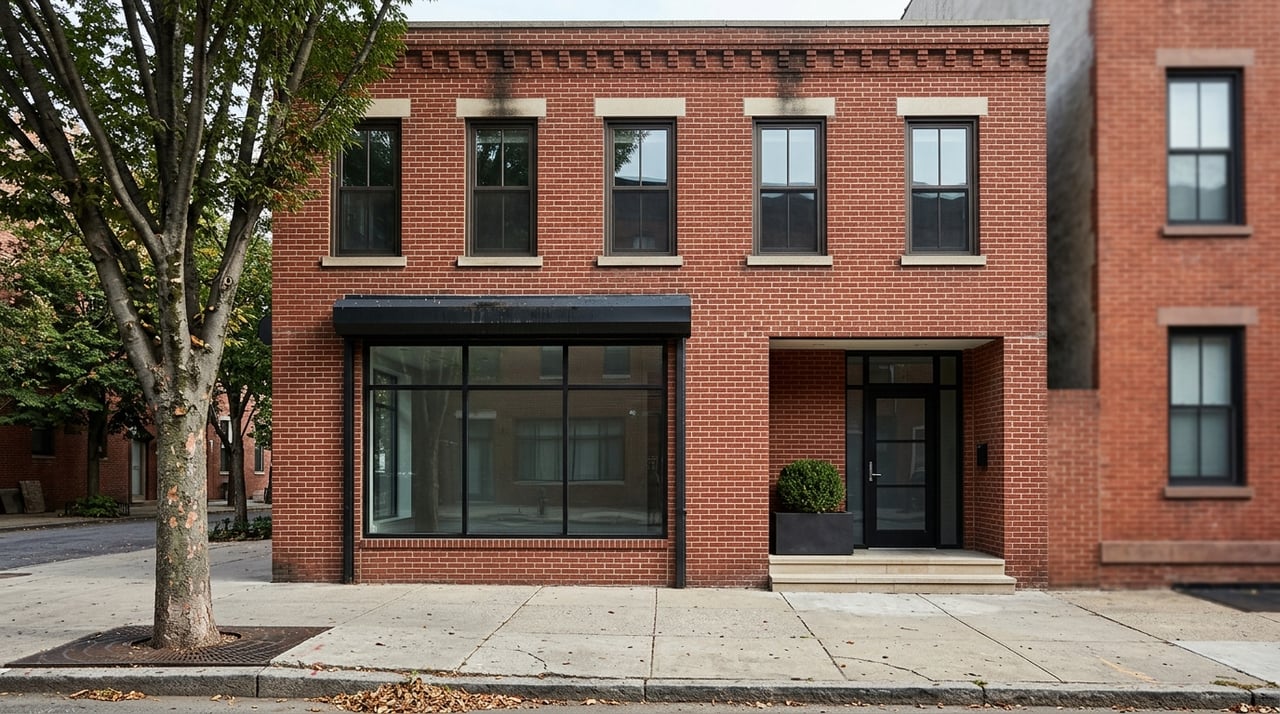
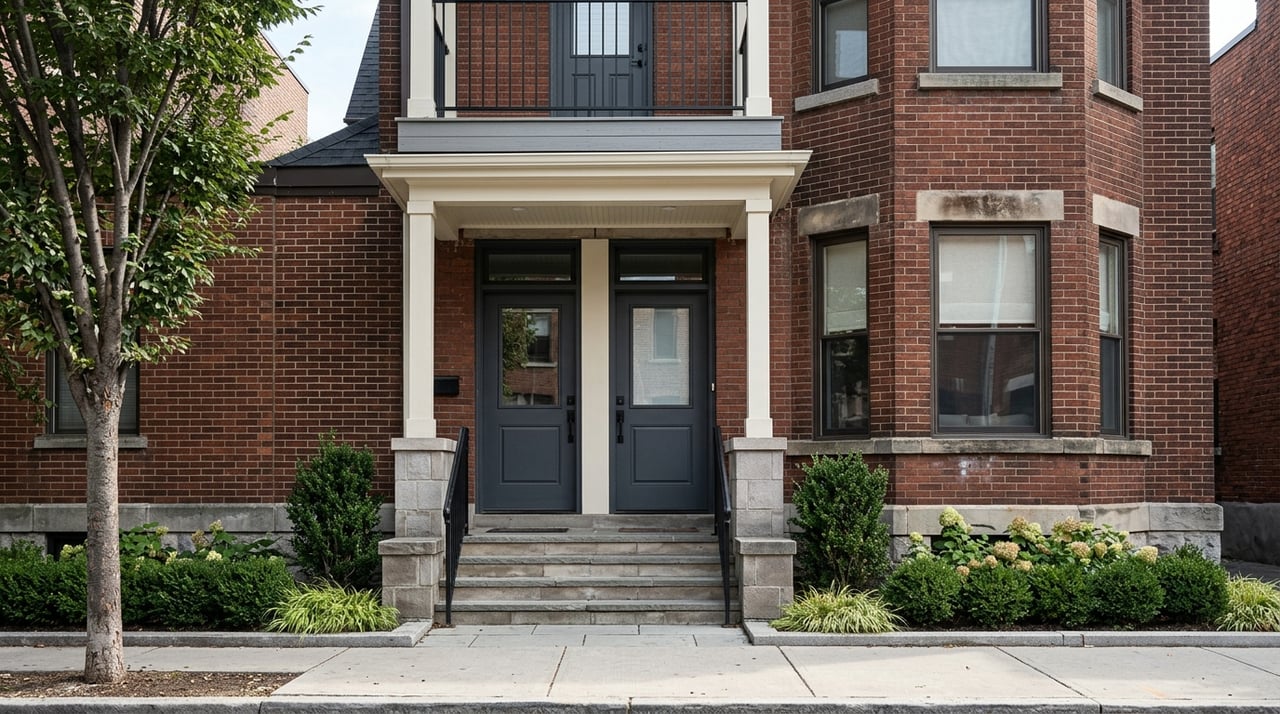
Union City’s housing is dense and largely attached. You will see many row and townhouse-style buildings, plus 2 and 3 family homes and walk-up condo conversions. This mix often translates into larger footprints and full-floor layouts at a more accessible price point, especially when compared with Hoboken or downtown Jersey City. Buyers who need an extra bedroom or a flexible office often find better options per dollar here.
The Heights housing stock
The Heights blends older single-family and multi-family homes with garden apartments and low-rise condos. Newer condo projects have added choices along Palisade Avenue and Central Avenue. The neighborhood’s topography and block pattern create a slightly more open feel in some areas, and many streets offer classic urban homes with stoops and small yards. It is a compelling fit if you want a neighborhood feel and access to parks, with rail service nearby at Journal Square.
Commute tradeoffs to Manhattan
Union City commute options
Union City is bus-centric. Direct NJ Transit buses and private jitneys run along key corridors such as Bergenline Avenue and connect to the Port Authority Bus Terminal in Midtown. The city also benefits from the Bergenline Avenue station on the Hudson-Bergen Light Rail for connections to Hoboken, Newport, and Exchange Place. You can read more about Union City’s transit context along Bergenline on the city’s overview page, and see details for the Bergenline Avenue station.
The practical note is timing. Express buses use the Lincoln Tunnel and are subject to peak-hour traffic, which can make trips variable. Some off-peak runs are quick, while rush-hour trips can stretch. Real-world timing depends on your address and departure time. A live route planner such as Moovit’s local stop pages can help you test your exact commute.
The Heights commute options
The Heights’ signature advantage is proximity to Journal Square, a PATH hub with frequent rail service. PATH provides traffic-independent travel to Midtown (33rd Street) or Downtown (via transfers), with typical in-vehicle segments reported in the 20 to 30 minute range depending on origin and transfers. Learn more about PATH service patterns on the PATH rail system page.
Many addresses in The Heights are a short walk or quick bus ride to Journal Square, though walk times vary by block. Jersey City’s own mobility study provides broader context for pedestrian and bus connections in the area. You can browse the Jersey City mobility study appendix for an infrastructure overview.
Bottom line on commuting
If you value a more predictable, rail-based commute, The Heights has the edge. If you are comfortable with bus routes and potential traffic variability in exchange for a lower price per square foot, Union City adds real value. Use exact addresses and departure times when you compare. Timetables and route planners are your friend.
Parks, dining, and daily life
Union City lifestyle
Union City is urban, energetic, and highly walkable along its commercial spine on Bergenline Avenue, also known as the Miracle Mile. Restaurants, cafés, and local retail cluster along this corridor, and daily errands often fit within a short stroll. Washington Park near the southern edge provides larger green space with shared access from both Union City and neighboring Jersey City.
The Heights lifestyle
The Heights offers a strong park lineup and skyline views. Riverview-Fisk Park hosts a seasonal farmers market and sweeping vistas over the Hudson and Manhattan. Explore event and amenity details on the Riverview-Fisk Park page. Pershing Field anchors the neighborhood with athletic fields and a large recreation complex, including a pool with a retractable roof highlighted by the city in 2022. You can read the city’s Pershing Field announcement for context.
Monthly costs beyond price
A smart comparison looks beyond purchase price to carrying costs.
- Property taxes. According to the New Jersey Division of Taxation’s 2024 averages, the typical residential tax bill was about $9,138 in Union City and about $10,624 in Jersey City. These are averages and will vary by parcel and assessment. Review the state’s Average Residential Tax Report and use local calculators for a specific address.
- HOA dues and utilities. Many Heights condos carry monthly HOA dues that cover shared services. In Union City’s multi-family buildings, you may see separate utilities, common area costs, or self-managed arrangements. Line items differ but affect your monthly total.
- Age and maintenance. Both areas feature older housing. In multi-family or attached homes, plan to inspect roofing, electric, plumbing, and any sub-metering. In condos, study the HOA budget, reserves, and rules. The right due diligence prevents surprises and preserves resale value.
Quick pros and cons
Union City: summary
Pros
- Lower typical list and sold prices in many snapshots
- Larger footprints common in attached and multi-family buildings
- Walkable commercial corridors and everyday convenience
Cons
- Bus-dependent Midtown commute can be slower at peak
- Parking can be tight on denser blocks
- Older buildings may need system upgrades
Jersey City Heights: summary
Pros
- Reliable PATH access via Journal Square
- Strong park network and neighborhood feel
- Mix of single-family and low-rise condo options
Cons
- Higher median prices and per-square-foot costs
- Fewer options at the same budget compared with Union City
Which fit is right for you
If you want the most interior space for a set budget, Union City usually delivers. It is especially worth a look if you need a third bedroom, a full-floor layout, or a flex room for a home office. If you want a steadier, rail-based commute with walkable access to PATH and larger parks, The Heights is a strong match.
The best next step is to tour example homes in both spots at the same price point. Bring a simple checklist with price per square foot, estimated monthly costs, and commute timing from the front door to your office. A side-by-side comparison will make your decision clear.
Ready to compare live listings, run the commute both ways, and model your monthly costs? Reach out to The Hudson Essex Collection for a data-driven, concierge-style plan tailored to your goals.
FAQs
How much space can I get for $500,000 in Union City vs Jersey City Heights?
- Using recent median price-per-square-foot examples, about 1,100 square feet in Union City versus roughly 870 square feet in The Heights, with results varying by property and date.
Is the PATH commute from The Heights faster than Union City buses?
- PATH from Journal Square offers more predictable, traffic-independent travel, while Union City’s bus routes can be faster off-peak but slower during rush hour due to Lincoln Tunnel traffic.
Are property taxes typically lower in Union City or Jersey City?
- State 2024 averages list Union City around $9,138 and Jersey City around $10,624, but actual tax bills depend on each property’s assessment and exemptions.
What parking should I expect in Union City and The Heights?
- Many blocks are dense with limited off-street parking; some homes include driveways or garages, and condos may offer garage or permit options, so confirm for each address.
What inspections matter most for older homes and condos?
- For attached or multi-family homes, review roof, electric, plumbing, and any sub-metering; for condos, analyze HOA budgets, reserves, and rules to understand monthly costs and projects.