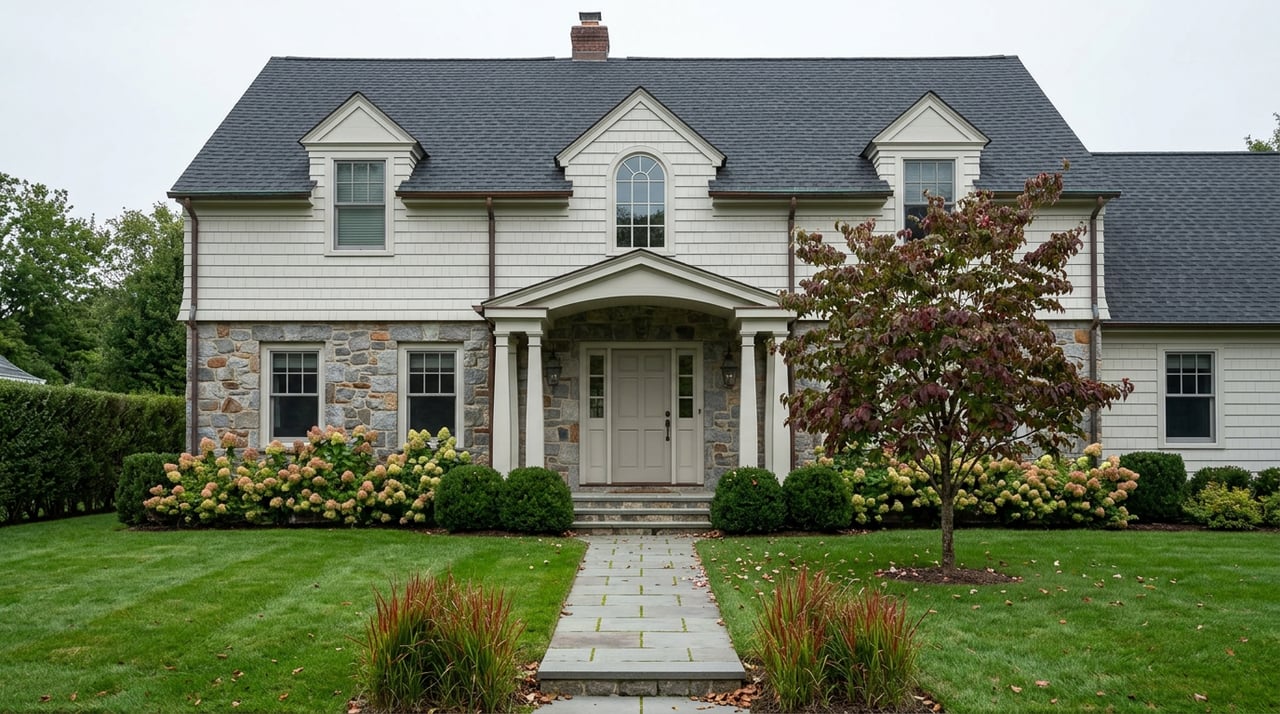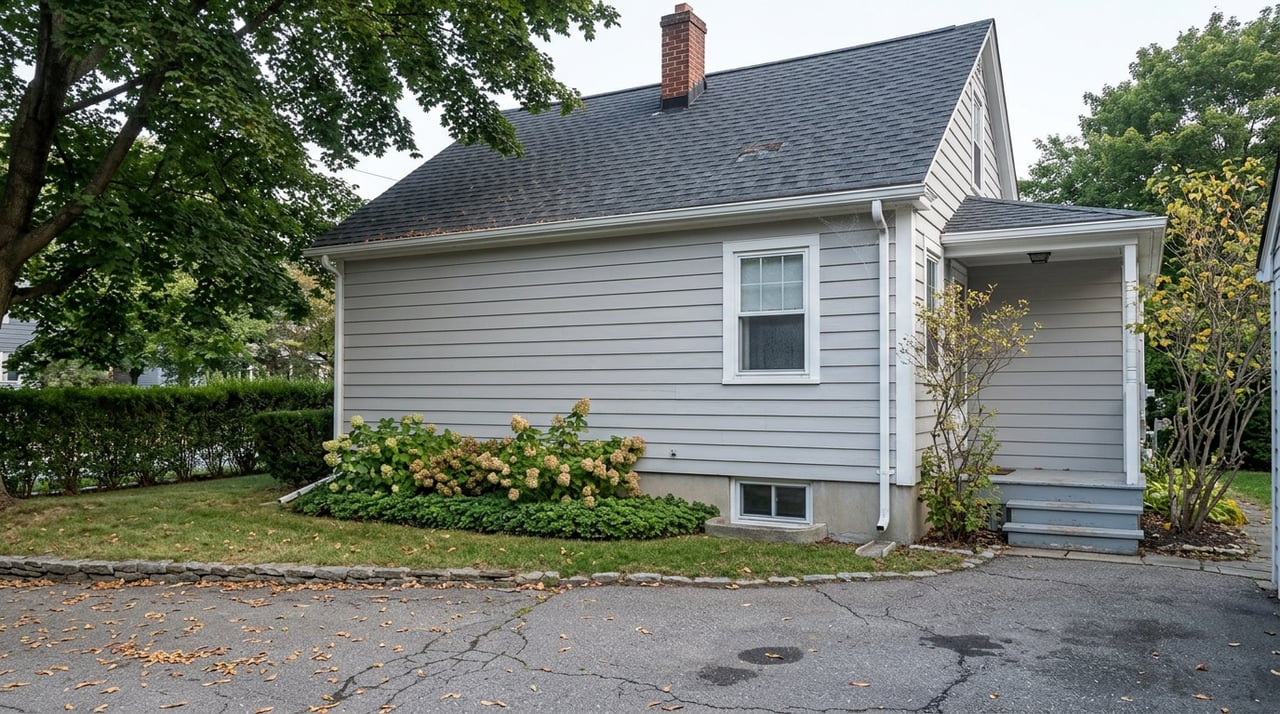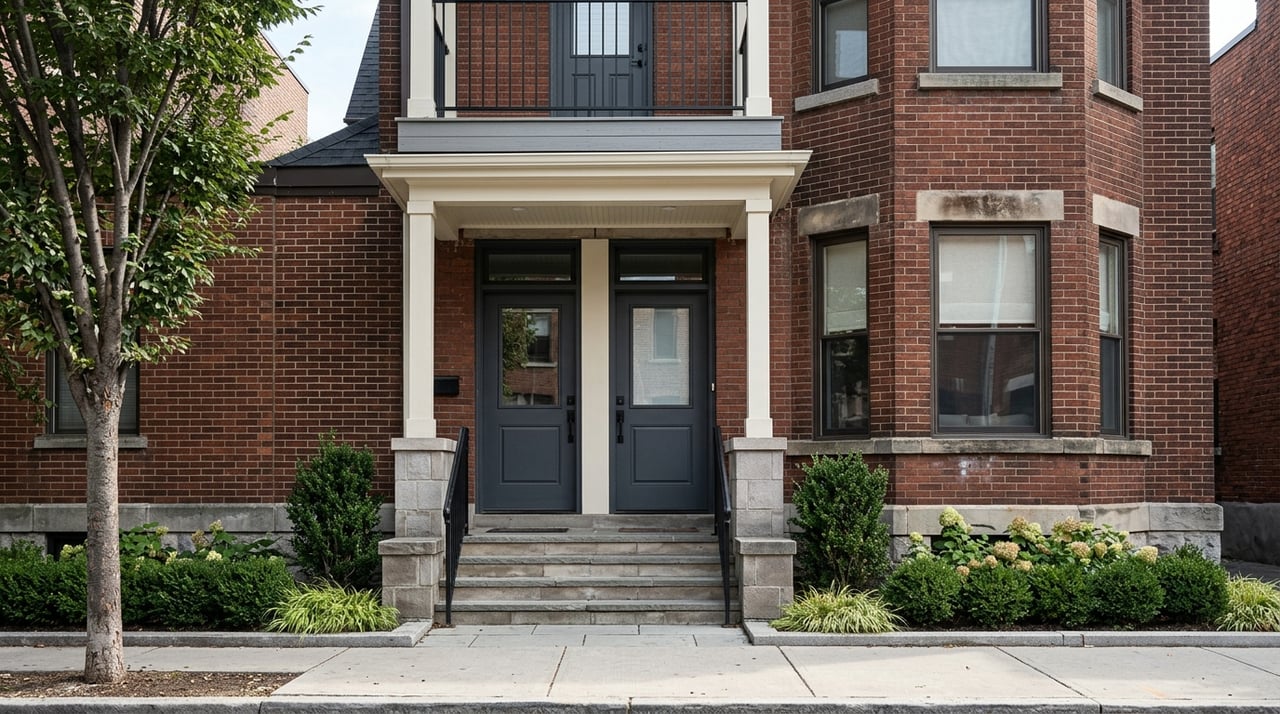
If you have been thinking about buying a multi-family in Bloomfield as your first investment, you are not alone. For many first-time buyers, a duplex or triplex feels like a practical way to start building long-term wealth while lowering your own housing costs. The key is knowing where Bloomfield fits that strategy, where the risks are, and what to review before you commit. Let’s dive in.
Why Bloomfield fits first-time investors
Bloomfield offers something many first-time investors want: a real supply of small multi-family housing. According to the township’s 2025 Housing Element and Fair Share Plan, 13.5% of housing units are 2-unit properties and another 13.7% are 3- or 4-unit properties. That means duplexes and small multi-family homes are part of the local market, not a rare exception.
The renter base also matters. Bloomfield has a near-even owner and renter split, with 48% of occupied units renter occupied and vacancy around 2%. For you as a first-time investor, that points to a market where rental demand is active and available housing is relatively tight.
Transit is another reason Bloomfield stands out. NJ Transit serves the township through Bloomfield Station, Watsessing Avenue Station, and Grove Street Light Rail Station. NJ Transit also reports that Bloomfield Station serves more than 1,500 customers on an average weekday, which supports the township’s transit-oriented appeal.
Why small multi-family can make sense
For many first-time buyers, the most realistic path into investing is to live in one unit and rent the others. This approach can help offset your monthly mortgage while giving you hands-on experience as an owner. In a place like Bloomfield, where small multi-family housing is already part of the local stock, that strategy can be especially practical.
Bloomfield’s rental numbers also support the appeal. The township’s 2023 housing analysis shows a median rent of $1,775, compared with $1,459 in Essex County. At the same time, nearly 47% of renter households spend 30% or more of income on housing costs, which suggests demand remains relevant even as affordability is tight.
That does not mean every property works as an investment. It means Bloomfield gives you a market where the owner-occupant multi-family strategy has a reasonable local foundation. Your job is to separate the properties that look good on paper from the ones that truly fit your budget and goals.
What Bloomfield housing stock means for you
Bloomfield is an older, built-out suburb, and that matters a lot when you buy your first investment property. The township says 65% of its housing stock was built before 1950, including 38% built before 1940. Only about 11% was built after 2000.
In practical terms, you should expect many duplexes and triplexes to come with older systems and more maintenance planning. That can include extra attention to roofing, plumbing, heating, electrical, and signs of water intrusion. Older housing stock is not automatically a problem, but it usually calls for more conservative budgeting.
The good news is that this type of property is not unusual in Bloomfield. The township data shows that 27.2% of units are either 2-unit or 3- to 4-unit properties combined. That gives you a wider field to search than you might find in a market dominated by single-family homes alone.
Financing a first Bloomfield multi-family
One of the biggest questions buyers have is whether financing a duplex or triplex is very different from buying a single-family home. In many cases, a two- to four-unit property can still be financed through residential lending if you plan to live in one of the units. That is a major reason owner-occupied multi-family purchases are often the most accessible first step for small investors.
Fannie Mae allows rental income from a two- to four-unit principal residence to be used when the borrower occupies one of the units. It also treats one- to four-unit properties as eligible residential collateral. For you, that means the rent from other units may help support your qualification, but the property still needs to fit standard residential lending rules.
There is an important catch. Lenders generally do not count 100% of projected rent. Fannie Mae states that qualifying rental income is generally calculated at 75% of gross rent, with the remaining 25% acting as a cushion for vacancy and maintenance.
That is why it helps to view your first purchase with a conservative mindset. The rental income can strengthen the deal, but you still want a payment and reserve structure that works if expenses show up early or a unit sits vacant longer than expected. For many first-time buyers, the safest version of the strategy is owner-occupant first and cash flow second.
Bloomfield rental rules to check before closing
A first investment property is not just about purchase price and rent. In Bloomfield, local compliance matters too. Before you close, make sure you understand how the township treats rental properties and whether the building is up to date.
One useful point for many small investors is Bloomfield’s current rent-leveling threshold. The township’s Rent Leveling Board page states that the ordinance restricts annual rent increases for properties containing five or more rental units unless an exemption applies. Most duplexes and triplexes fall below that threshold.
That does not mean a small building is paperwork-free. Bloomfield requires all residential rental units to be registered and inspected, including single-family non-owner-occupied homes and owner-occupied multi-family homes. The township says units are inspected every three years or when tenants change, and the posted fee is $60 per rental unit.
For a first-time buyer, this is one of the biggest takeaways. Do not assume that a smaller property is automatically simple to manage. Before closing, confirm the registration history, inspection status, and any required safety items tied to the building.
Due diligence steps that matter most
When you buy your first multi-family, solid due diligence can protect you from expensive surprises. In Bloomfield, that starts with confirming the legal unit count and current occupancy. Those details affect financing, compliance, and your real income expectations from day one.
You should also ask for the rent roll, copies of leases, and proof of inspections. This helps you verify that the property’s income story matches the paperwork. It also gives you a clearer sense of what a lender and the township may expect.
Because Bloomfield has so much older housing stock, it is smart to build in a stronger repair reserve than you might for a newer property. Even if a building looks well kept, older systems can create sudden costs. A conservative reserve can give you breathing room during your first year of ownership.
A simple first-investment mindset
If you are buying your first multi-family in Bloomfield, it helps to keep your strategy simple. Start with a property you can understand, finance, and maintain without needing perfect conditions. That often means choosing a building where the numbers still make sense even if repairs come sooner or rent is not maximized on day one.
A strong first deal is not always the one with the most exciting upside. It is often the one with clear documentation, manageable maintenance, and enough margin for real-life ownership costs. In Bloomfield, that mindset can be especially valuable because the market offers opportunity, but the age of the housing stock rewards careful planning.
If you want help evaluating a Bloomfield duplex or triplex, comparing owner-occupant options, or understanding how a property fits your goals in Essex County, The Hudson Essex Collection can help you approach the process with clarity and confidence.
FAQs
What makes Bloomfield a practical place for a first multi-family investment?
- Bloomfield has a meaningful supply of 2-unit and 3- to 4-unit housing, a 48% renter-occupied share, low vacancy around 2%, and multiple NJ Transit connections that support renter demand.
What should you expect from older multi-family homes in Bloomfield?
- Because 65% of Bloomfield’s housing stock was built before 1950, you should budget carefully for potential repairs involving roofs, plumbing, heating, electrical systems, and water intrusion.
How does financing work for a first owner-occupied multi-family in Bloomfield?
- If you live in one unit, a two- to four-unit property may be financed through residential lending, and lenders may use qualifying rental income from the other units, often at 75% of gross rent rather than the full amount.
Do small multi-family properties in Bloomfield fall under rent leveling?
- Bloomfield’s current ordinance applies annual rent increase restrictions to properties containing five or more rental units unless an exemption applies, so many duplexes and triplexes are below that threshold.
What rental compliance steps should you verify before buying in Bloomfield?
- You should confirm rental registration, inspection history, legal unit count, lease documents, rent roll details, and any required safety items before closing on a Bloomfield multi-family property.