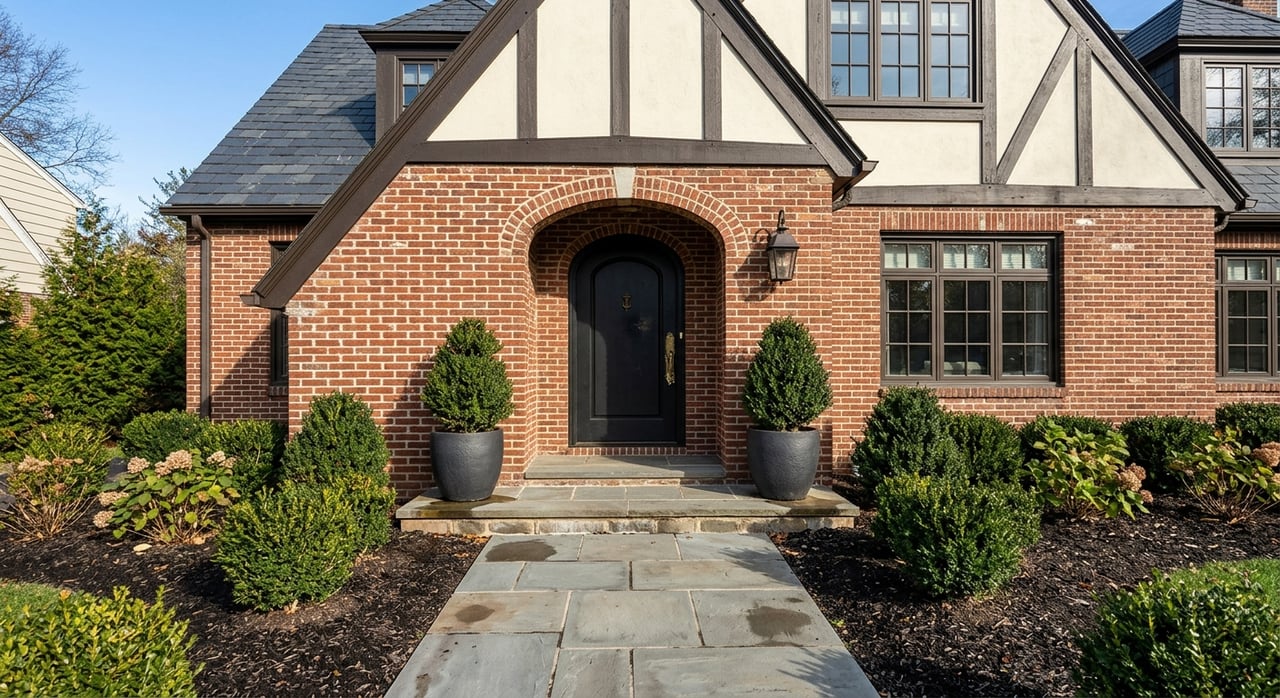
Thinking about listing your South Orange home but not sure where to start? You are not alone. Between timing, disclosures, and preparing a period home for commuter buyers, there is a lot to juggle. This step-by-step roadmap breaks the process into clear moves so you can plan with confidence, price smartly, and launch with impact. Let’s dive in.
Why sell in South Orange now
South Orange remains a high-demand commuter suburb with typical single-family prices hovering around the high six to low seven figures. Recent state data puts average sale figures in roughly the $990,000 to $1.04 million range, context that helps you plan upgrades and pricing. You will want to balance prep costs against your expected sale price and tax carry.
Many buyers target South Orange for its two NJ TRANSIT stations, the village center, and established housing stock. If you highlight the right features and market efficiently, the first two weeks on market can do most of the heavy lifting.
- Reference point: The New Jersey Treasury’s municipal reports offer a window into average sales and property tax context for South Orange, which tend to be higher than state averages. Review the state data for perspective.
- Commuter appeal: NJ TRANSIT’s Morris & Essex Line serves South Orange and Mountain stations, with Midtown Direct service to Newark and New York Penn Station. Typical door-to-desk ride times can fall in the 25 to 45 minute range depending on the train you catch. Check current NJ TRANSIT schedules when advertising commute times.
Step 1: Know your buyer
Your most likely buyers include NYC commuters, professionals, and households that value rail access. Many also consider the South Orange–Maplewood School District, along with proximity to Seton Hall University and the village core. Tailor your marketing to this commuter-and-lifestyle mix.
What to emphasize:
- Walkability to South Orange or Mountain stations and realistic commute details.
- Period charm balanced with updated systems.
- Flexible spaces for remote work and daily living.
Step 2: Map your 9–12 month timeline
Start early so you can stage smartly and launch during a strong window.
- 9–12 months: Consult a local agent for a comparative market analysis and a prep budget. Verify roof and HVAC condition. Line up contractors for larger items with longer lead times.
- 6–9 months: Complete big exterior or drainage fixes and any permitted work. Save receipts and warranties for your buyer packet.
- 1–3 months: Paint in neutral tones, declutter, refine a staging plan, and decide if you will order a pre-listing inspection. Gather utility bills and documents for disclosures.
- 2–4 weeks: Finalize list price with fresh comps, complete marketing assets (pro photos, floor plan, 3D tour), and schedule open houses.
- Launch week: Aim for a Thursday or early Friday list to capture weekend traffic. Expect the first 10 to 14 days to generate the majority of showings and interest.
Step 3: Handle required NJ disclosures
New Jersey requires residential sellers to complete the Seller’s Property Condition Disclosure Statement. You must disclose known material defects truthfully and completely.
- Know the rule: Review the seller disclosure requirement under N.J.A.C. 13:45A-29.1. See the regulation summary.
- New flood law as of March 20, 2024: You must answer specific flood-history and flood-risk questions as part of the disclosure. Failing to provide required flood information can affect your deal and create legal exposure. Read NJ REALTORS® flood-disclosure guidance.
Pro tip: If you learn about an issue before listing, you may have a duty to disclose it. If you discover it after going live, notify your agent and counsel promptly to update disclosures as needed.
Step 4: Consider a pre-listing inspection and key repairs
A seller-ordered inspection can help you find and fix issues before buyers see them. Many agents use pre-listing inspections to reduce surprises and keep deals from collapsing or getting renegotiated.
- Why it helps: Fewer last-minute repairs, stronger buyer confidence, and cleaner closings are common outcomes. Explore NAR insights on pre-listing inspections.
- What to prioritize in older Colonials, Tudors, and Victorians: roof condition, visible water or mold signs, electrical safety, HVAC age and operation, drainage or sump issues, and major plumbing leaks. Simple cosmetic refreshes like neutral paint, patching, and curb cleanup can go a long way.
A quick note on risk: If your inspection reveals a condition you did not know about, you may need to disclose it. Discuss strategy with your listing agent and attorney.
Step 5: Stage and present period details
Staging helps buyers visualize how they will live in the space, and it often shortens time on market. For South Orange’s period homes, aim to showcase character while making rooms feel bright and functional.
- Highlight original millwork, mantels, built-ins, and leaded or stained glass.
- Remove heavy drapery, large personal collections, and extra furniture.
- Anchor rooms with neutral rugs and layered lighting to photograph well.
- Use professional photography, twilight exteriors, and floor plans to lift online engagement.
Industry surveys suggest listings with 3D or virtual tours and high-quality images sell faster and can capture stronger prices. That is especially useful in a commuter market where some buyers start online and tour virtually first. See the data on 3D tour impact. For additional staging perspective, review NAR’s guidance on buyer perception. Read NAR’s staging insights.
Step 6: Price to capture early demand
The first two weeks on the market are critical in a high-demand suburb. Price based on the most recent six to twelve months of sold comps that match your home’s type, size, and location.
- Anchor your pricing to nearby sales with similar proximity to the station and downtown.
- Use the state’s reported average sale context to set expectations. Review state sales data.
- Avoid overpricing. Homes that sit often invite price cuts and signal to buyers that you will negotiate.
Step 7: Market to commuters and remote buyers
Your marketing should meet buyers where they are: on their phones, on the train, and online.
Must-have assets:
- 20 to 30 high-quality photos showing interior, exterior, and period details.
- A measured floor plan that illustrates flow and bedroom count.
- A hosted 3D or virtual tour for out-of-town and commuter buyers. Why virtual helps.
Targeted tactics:
- Weekend open houses aligned with NJ TRANSIT schedules so Manhattan buyers can visit between trains. Use the South Orange station page for timing.
- Agent-to-agent email outreach to buyer agents who regularly write offers in commuter suburbs.
- Copy that highlights station access, parking options, and walkability.
Step 8: Showings, offers, and attorney review
When offers arrive, be ready to move quickly through New Jersey’s attorney review. After both parties sign the standard Realtor form, a three-business-day attorney review period begins.
- During attorney review, either party can request changes or cancel. If no disapproval is sent within the period, the contract becomes binding. Understand the three-day review.
- Expect common contingencies: home inspection, radon or lead testing when applicable, appraisal and financing, and sometimes the buyer’s home sale. Your pre-listing inspection can reduce renegotiation.
Step 9: Appraisal, timeline, and seller costs
Appraisals can cap financed offers if the price stretches beyond comparable sales. A clear upgrade list, pre-listing inspection report, and strong comp package help appraisers and underwriters.
Most New Jersey transactions close within about 30 to 60 days, depending on financing and agreed deadlines. Attorney review and lender milestones drive the schedule. See an overview of timing.
Budget for common seller costs:
- Brokerage commission and any contracted marketing fees.
- Payoff of your mortgage and liens.
- State and county transfer and recording fees, title and attorney charges.
- Prorated property taxes and any HOA fees.
- Seller credits or repairs you agree to during negotiations.
Important for higher-priced homes: New Jersey’s Realty Transfer Fee structure includes a graduated percent fee on many sales above $1 million. Beginning July 2025, that graduated percent fee is allocated to the seller on many high-value transfers. Confirm how this applies to your price bracket. Review NJ REALTORS® transfer-fee guidance.
A quick checklist for South Orange period homes
- Systems first: Roof, electrical safety, HVAC operation, and drainage are buyer priorities.
- Moisture watch: Address any visible water or mold indicators and grade around the foundation.
- Character counts: Clean, repair, and showcase original woodwork and fireplaces.
- Neutral canvas: Fresh paint and decluttered rooms help buyers focus on space and details.
- Visual package: Pro photos, floor plan, and a 3D tour to capture commuter and remote demand.
Ready to list with confidence
Selling in South Orange rewards smart prep, clear disclosures, and a launch built for commuter buyers. When you price to the market and present your home’s character with polished visuals, you set yourself up for strong early interest and a smoother path to closing.
If you would like a custom prep plan, pricing strategy, and a high-impact marketing package tailored to your home, reach out to The Hudson Essex Collection. We combine local expertise with national-caliber marketing to maximize your result.
FAQs
What should I know about South Orange pricing before listing?
- Recent state data shows average sale figures around $990,000 to $1.04 million, which helps you frame prep budgets and pricing expectations.
How do NJ flood disclosures affect my sale in 2024 and beyond?
- New Jersey now requires specific flood-history and risk answers on the disclosure form; failing to provide them can impact your deal, so complete those items carefully.
Is a pre-listing home inspection worth it for older homes?
- Yes, it can reduce surprises, support cleaner negotiations, and let you fix issues on your timeline before buyers use them to request big concessions.
What is the attorney review period in New Jersey?
- After both sides sign, there is a three-business-day attorney review; during that time either party can request changes or cancel before the contract becomes binding.
How long does it take to close once I accept an offer?
- Most New Jersey deals close in about 30 to 60 days depending on financing, appraisal, and deadlines negotiated in the contract.
Which upgrades typically pay back best before listing?
- Prioritize repairs to roof, HVAC, electrical, drainage, and visible moisture issues; follow with light cosmetic updates, neutral paint, and curb appeal improvements.