Looking across the Hudson and wondering what a front‑row view in Weehawken really costs? You are not alone. Whether you are comparing buildings or preparing to list, the waterfront market rewards clear data and a smart plan. In this guide, you will learn how inventory is structured, what drives price per square foot, how to read HOA fees and flood considerations, and how to price or shop with confidence on the Weehawken waterfront. Let’s dive in.
Why the Weehawken waterfront stands out
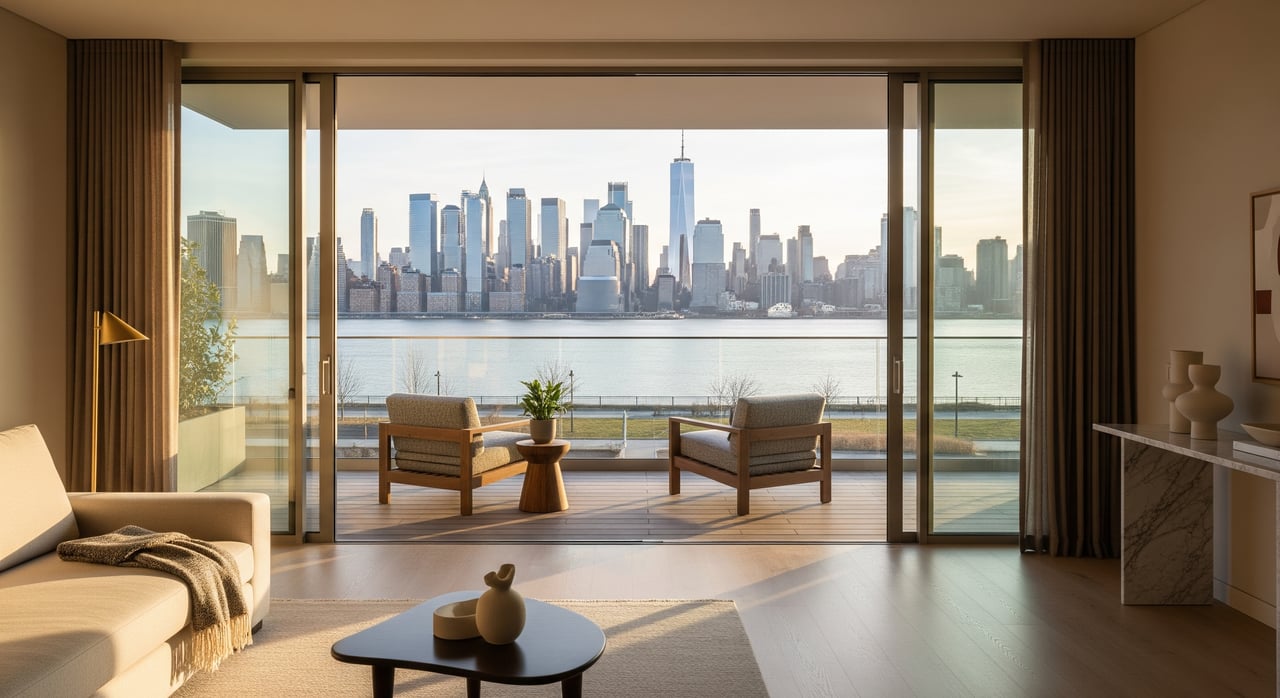
Weehawken’s shoreline sits directly across from Midtown and Upper Manhattan, with sweeping skyline views and a fast commute. The Port Imperial and Lincoln Harbor corridors combine mid‑ and high‑rise condos, retail, and a scenic promenade. For many buyers, transit access is a top driver. You can catch NY Waterway ferries from Port Imperial or Lincoln Harbor and connect to the Hudson‑Bergen Light Rail for regional links.
Lifestyle amenities add to the value story. Many buildings offer concierge service, gyms, pools, garage parking, and package rooms. The best views, newer construction, and strong amenity packages often hold pricing power relative to lower‑amenity options.
What inventory looks like
High‑rise and mid‑rise buildings
Most waterfront homes are condominium towers or mid‑rise complexes with elevators and staffed lobbies. Expect modern common areas, on‑site management, and amenity suites that drive desirability and HOA fees.
Unit types and who they fit
- Studios and 1‑bedrooms: good entry points for first‑time buyers and investors who prioritize commute convenience.
- 2 to 3+ bedrooms: appeal to buyers who want more space, parking, and amenity access.
- Penthouses and premium lines: larger footprints, terraces, and top‑floor views. These can have longer marketing timelines and wider price negotiation.
Amenities that move prices
- Unobstructed Manhattan views and direct river frontage
- Private outdoor space, such as balconies or terraces
- Deeded or assigned indoor garage parking
- Concierge or doorman, package rooms, gyms, pools, and on‑site management
- Immediate proximity to ferry terminals or HBLR stations
Pricing 101: how condos are valued
Start with PSF and comps
Price per square foot is a quick way to compare similar units and buildings. Always normalize for floor level, view corridor, renovations, age, and whether parking is included. Recent comparable sales within the same building, or a similar waterfront building nearby, are your best reference point.
What drives premiums and discounts
- View premium: Skyline and river views typically command a material premium that varies by how unobstructed the view is and the floor.
- Floor level: Higher floors reduce street noise and improve views, often at a higher PSF.
- Parking: Deeded indoor garage parking adds value and improves resale.
- Amenities and management: Strong amenity packages and well‑funded reserves support pricing.
- Newer construction and renovations: Modern finishes, updated systems, and warranties lift value.
- Micro‑location: Immediate waterfront and Port Imperial or Lincoln Harbor adjacency tend to price higher than inland blocks.
Monthly carrying cost reality check
Your true monthly cost includes mortgage, taxes, and HOA. Convert HOA to dollars per square foot or a monthly line item and add it to your estimate. Compare the total carrying cost across buildings to understand value, not just list price.
Current market snapshot — December 2025
Higher mortgage rates since 2022 have tested affordability in many condo markets. On the Weehawken waterfront, buildings with strong transit access and amenities remained relatively resilient, while larger luxury units can take longer to sell and see wider negotiation. For today’s active listings, median PSF, and days on market, review the latest data on the NJ Multiple Listing Service and cross‑check with recent closed sales.
Tip: When you compare list versus sale price, focus on the last 3 to 6 months of closings in the same building. That will show you where buyers and sellers are actually meeting.
Buyer guide: how to shop smart
A step‑by‑step valuation workflow
Pull recent closed sales in the same building or a comparable waterfront building from the last 3 to 6 months.
Compute PSF for each comp and note adjustments for view, floor, parking, and renovations.
Compare active listings’ PSF to the comp set to see where asking prices sit versus recent selling levels.
Tally monthly carrying costs, including taxes and HOA. Use this to compare buildings apples to apples.
Watch for inventory waves, such as new‑construction deliveries or bulk resales, that can shift near‑term pricing.
Resale packet checklist
Ask the seller or association for:
- Master deed, bylaws, rules and regulations
- Current budget, reserve study, and recent meeting minutes
- Any pending or recent special assessments
- Rental policy and leasing restrictions, including minimum terms
- Litigation disclosures and insurance certificates
These documents reveal the building’s financial health and any planned projects that could affect your costs.
Financing and eligibility notes
Not all lenders will finance every condo association. Reserve levels, owner‑occupancy ratios, and litigation can affect loan approval. FHA or VA eligibility varies by project, so verify early with your lender. If you plan to use conforming financing, ask whether the building meets standard project approval criteria.
Flood and insurance basics
Parts of the waterfront may lie within FEMA Special Flood Hazard Areas. If your unit is in an SFHA and you use a federally backed mortgage, flood insurance is generally required. Check location‑specific risk on the FEMA Flood Map Service Center and confirm the building’s mitigation measures, such as elevated mechanicals or flood barriers. Insurance availability and premiums can impact monthly costs, so include them in your budget.
Property taxes and assessments
Waterfront valuations often reflect land value and view premiums, which can raise assessed taxes. Review the current tax bill when you underwrite affordability. Also review meeting minutes and reserve studies for seawall, pier, garage, or facade work that might trigger special assessments.
Seller playbook: pricing and presentation
Prep your association documents
Prospective buyers will ask for the master deed, bylaws, budget, reserve study, meeting minutes, and assessment history. Having a clean, current packet reduces friction and builds confidence.
Set a defensible price
Use same‑building comps first, then similar waterfront buildings nearby. Normalize PSF for view line, floor, condition, and parking inclusion. Track list‑to‑sale price ratios and days on market to judge where demand is clearing.
Market like a lifestyle purchase
Highlight what buyers value most: view corridors, transit proximity, deeded parking, outdoor space, and amenities. Crisp photography, clear floor plans, and accurate fee disclosures shorten time to offer. Timing around new‑listing waves or seasonal shifts can also help.
Neighborhood and commute primer
Port Imperial and Lincoln Harbor anchor the Weehawken shoreline with ferries, light rail connections, dining, and a public promenade. Many residents choose the neighborhood for commute reliability and weekend convenience. For schedules and terminal locations, check NY Waterway and the Hudson‑Bergen Light Rail.
For municipal updates on waterfront improvements or planning approvals, review the Weehawken Township website.
Investor notes: rentals and rules
Demand is strong for commute‑oriented rentals, but returns vary with HOA fees, taxes, and vacancy. Many associations limit rentals or require minimum lease terms, and short‑term rentals are often restricted. Confirm all leasing rules, fees, and approval timelines before you buy.
How we can help
If you want a building‑by‑building PSF analysis, a carry‑cost comparison, or a pricing strategy for your listing, our team can help you move quickly and confidently. We pair local expertise with premium marketing to position your condo for success. Ready for current comps or a private consult? Connect with The Hudson Essex Collection.
FAQs
How much more do skyline‑view units cost in Weehawken?
- Premiums vary by floor and whether the view is unobstructed; compare price per square foot to similar non‑view lines in the same building for an accurate read.
Are HOA fees higher in waterfront condo buildings?
- Often yes, because pools, concierge, parking garages, and larger amenity packages cost more to operate; verify the budget and reserve study to understand what you pay for.
Is flood insurance required for Weehawken waterfront condos?
- If the unit is in a FEMA Special Flood Hazard Area and you use a federally backed mortgage, flood insurance is generally required; confirm your exact zone on FEMA’s map and ask your lender and insurer about costs.
How important is deeded parking in Hudson County?
- Very important. An indoor garage space is a meaningful value add and can improve both marketability and resale price compared with units without parking.
What should I review in a condo resale packet before buying?
- Master deed, bylaws, budget, reserve study, meeting minutes, pending assessments, rental rules, litigation disclosures, and insurance certificates; together they show financial health and future costs.
Which transit options serve the Weehawken waterfront?
- The Port Imperial and Lincoln Harbor areas offer NY Waterway ferries and Hudson‑Bergen Light Rail connections, with road access to the Lincoln Tunnel and local bus routes for Manhattan commutes.