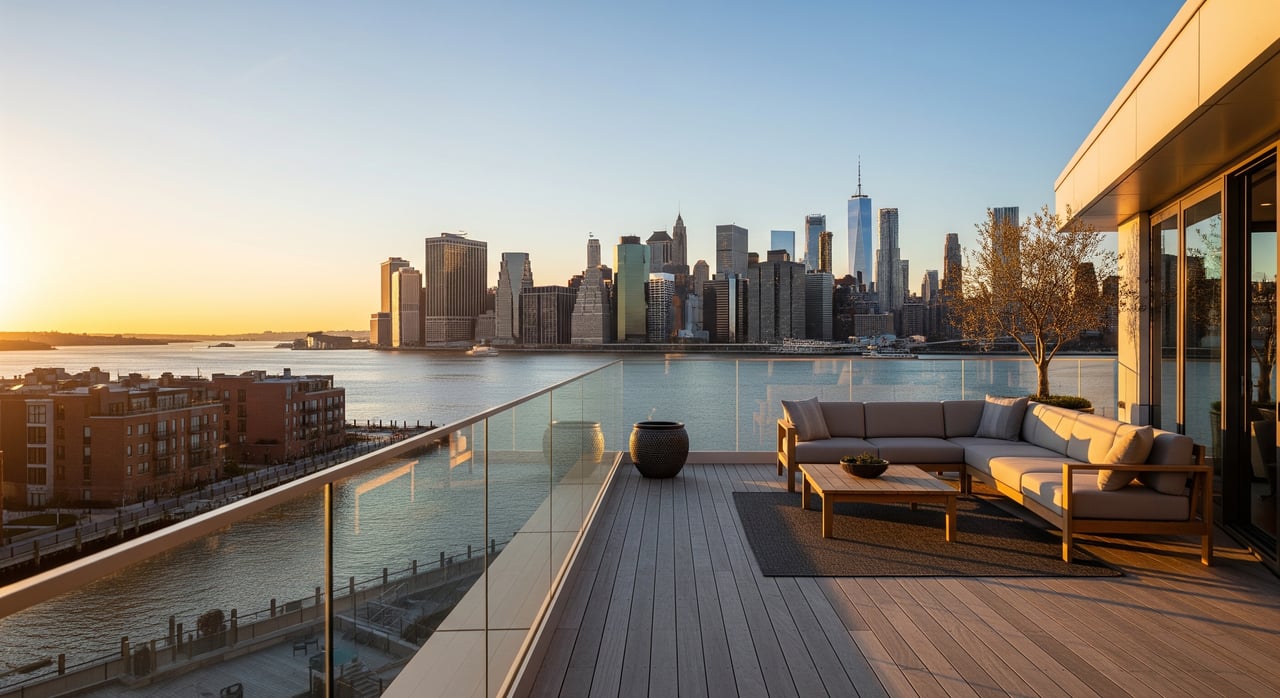
If you could start your day with sweeping Hudson River views and end it with a sunset stroll, would you? Living on the Hoboken waterfront gives you exactly that, plus the kind of walkable, transit-first lifestyle that makes daily life simple. Whether you want a quick commute to Manhattan or a green space for relaxed weekends, you have strong options here. In this guide, you’ll learn what daily life feels like, how you get around, what condos and fees look like, and smart tips for touring homes. Let’s dive in.
Waterfront vibe and setting
Hoboken’s waterfront follows the Hudson River from the Hoboken Terminal area through Pier A Park, Sinatra Park, and up to Maxwell Place. You are steps from the Washington Street corridor, which is the city’s main dining and retail spine. The area is dense, urban, and highly walkable, with a steady rhythm of runners, dog walkers, and strollers along the RiverWalk.
The vibe blends young professionals and families. Weekdays feel focused on commuting and daily routines. Evenings and weekends bring more energy near restaurants and park lawns, especially in warmer months.
Parks and the RiverWalk
The RiverWalk is the waterfront’s heartbeat. You can jog, bike, or take a slow stroll with open Manhattan views and plenty of places to stop. Major parks include:
- Pier A Park: A large lawn, playgrounds, and space for community events.
- Sinatra Park: Smaller pockets of green, a playground, and areas that welcome dogs.
- Maxwell Place Park: Green space integrated with nearby residential buildings.
Warm-weather programming is common. You’ll find outdoor concerts, movie nights, and seasonal pop-up events. Community boathouses run kayak and canoe programs during the season, although capacity is limited and schedules vary.
Dining and daily conveniences
You can grab everything from a morning espresso and bakery treat to a full sit-down dinner with river views. Nearby Washington Street concentrates restaurants, bars, delis, and shops within a short walk. On summer evenings and weekends, the waterfront can be busy, so expect some lines and lively sidewalks.
Grocery stores, pharmacies, and service businesses are close to most waterfront buildings. Seasonal farmers’ markets and pop-ups add fresh produce options in warmer months.
Fitness and outdoor culture
If you like being active, this location makes it easy. Boutique studios for spin, yoga, pilates, and CrossFit are common within a short walk. The waterfront path is a favorite for runners and cyclists, and outdoor bootcamps and yoga-in-the-park sessions pop up frequently when the weather cooperates.
Commuting to Manhattan
Hoboken is built for transit. From the waterfront, you can choose the mode that matches your schedule and budget.
Ferries
NY Waterway ferries connect Hoboken to several Manhattan terminals. The ride is direct, scenic, and comfortable, especially at peak hours. Fares are higher than other options, and schedules thin out later at night and on weekends. Service can be weather sensitive, so plan ahead during storms.
PATH and NJ Transit
Hoboken Terminal is a major hub with PATH service to Midtown at 33rd Street, plus transfer options for other destinations. NJ Transit commuter rail and buses also operate from the terminal. Service patterns vary by time of day, but you have multiple routes for both New York and New Jersey commutes.
Light rail and buses
The Hudson-Bergen Light Rail helps you move along the Jersey waterfront and connect to other PATH stops. Local and regional bus routes add capacity during peak times and broaden your options for off-peak travel.
Biking and micromobility
Bike lanes and the waterfront path make cycling into Jersey City and to transit hubs practical. Citi Bike stations offer bike-share for short hops. Many residents combine biking with PATH or ferry trips for a quick, mixed-mode commute.
Driving and parking
Driving into Manhattan through the Lincoln Tunnel is possible, but heavy peak congestion is common. Street parking in Hoboken is limited, and residential permits are in effect on many blocks. Many waterfront condos offer garage parking for an additional fee, and third-party monthly garages can be expensive.
Housing on the Hoboken waterfront
Waterfront housing leans modern, amenity-rich, and view-focused. You will find a range of options and price points depending on building age, floor height, outlook, and services.
Condos and amenities
Most waterfront buildings are newer mid to high rises designed for views and convenience. Common features include doormen, gyms, roof decks or terraces, residents’ lounges, and garage parking. Many buildings border private or semi-private stretches of the RiverWalk or sit next to public green space. A block or two inland, you will also see mid-20th-century walk-ups and converted brownstones.
Prices and fees
Hoboken waterfront homes are generally more affordable than similar Manhattan units, while still commanding a premium compared with many New Jersey suburbs. One-bedroom rentals near the water vary widely by building age, amenities, and whether you have river views. Condo sale prices range from entry-level one-bedrooms to luxury, high-floor residences at seven figures. Monthly common charges can be higher in amenity buildings, especially when staffing, maintenance, and specialized systems are included.
Buying vs. renting
Renting gives you flexibility and a low-commitment way to test the waterfront lifestyle. Buying may be attractive if you value long-term access to transit and views. When you compare options, include HOA fees, flood insurance requirements, and resale liquidity in your decision-making.
HOA rules and building checks
Every building runs a little differently. Before you commit, look into:
- What HOA or condo fees cover, including building reserves and critical systems.
- Rental and sublet policies and any restrictions on short-term rentals.
- Pet policies and dog-friendly amenities or nearby dog runs.
- Parking availability, ownership vs. lease arrangements, costs, and any waitlists.
- Flood history, incident records, and recent capital improvements.
- Special assessments, both recent and planned.
Flood risk and resiliency
Hoboken is low-lying, and parts of the waterfront fall within FEMA flood zones. Past flood events prompted both building and city investments in resiliency. Many newer buildings elevate mechanicals, add waterproofing and flood vents, and include backup pumps or power. When you tour, ask for elevation certificates and details on flood-mitigation features.
Lenders and insurers may require flood insurance. Premiums vary by building elevation, FEMA zone, and resilience measures. It also helps to review city-level flood-mitigation projects and any recent street or infrastructure work on the block you are considering.
Who the waterfront fits
This location suits both professionals and households who want a walkable, transit-first lifestyle. If a short Manhattan commute, river views, and parks are top priorities, you will feel at home. Families often weigh unit size and building amenities and look at how close parks and public schools are to their daily routines. Singles and couples tend to focus on transit speed, nightlife access, and fee structures.
Touring checklist
Use this quick list to keep your search focused and efficient:
- Confirm the building’s flood zone and elevation certificate, and ask about flood-resiliency features.
- Ask about any recent flood events, related repairs, and special assessments.
- Request HOA meeting minutes for the last 12 to 24 months.
- Map your commute. Check PATH, ferry, bus, and light rail timing for your work hours.
- Verify parking options and costs, including street permits and garage availability.
- Check window quality and insulation if you are close to a busy terminal or promenade.
- Review pet policies, gym access, roof decks, and whether outdoor spaces are shared or restricted.
- Compare recent sales or rent comps in the building and nearby to gauge pricing.
Weekends and evenings
On pleasant evenings and weekends, waterfront paths and patios fill up. Expect more foot traffic, longer wait times at popular restaurants, and an active atmosphere around park lawns and outdoor bars. If you like quiet, consider a higher floor or a block slightly inland, and visit at different times of day during your search to get a full picture.
Work with a local advisor
Choosing the right Hoboken waterfront home comes down to fit, fees, and confidence in the building. You deserve a guide who knows the blocks, the boards, and the trade-offs between ferries, PATH, views, and HOA rules. If you are buying, renting, or planning to sell, connect with a hyper-local team that pairs concierge service with strong market reach. Start your next step with The Hudson Essex Collection.
FAQs
What is the Hoboken waterfront commute like?
- You can choose ferries for a direct, scenic ride to multiple Manhattan landings or use PATH from Hoboken Terminal for frequent service to Midtown with transfer options, plus NJ Transit and bus routes for flexibility.
Are Hoboken waterfront condos noisy?
- The waterfront path is lively, and you may hear ferries or train activity near the terminal, although modern buildings often have insulation and window systems that reduce interior noise.
How walkable and bike-friendly is the area?
- It is very walkable with restaurants, parks, and transit close by, and bike lanes and bike-share make cycling and mixed-mode commutes easy.
Do I need flood insurance for a waterfront condo?
- Many properties fall within FEMA flood zones, and lenders or insurers may require flood insurance, with premiums influenced by elevation and building resiliency features.
What do HOA fees typically cover?
- Fees commonly support building staff, amenities, maintenance, reserves, and specialized systems, and they are often higher in full-service, amenity-rich buildings.
How hard is parking near the waterfront?
- Street parking is limited with permit systems in place, and many buildings offer paid garage spots while monthly third-party garages can be costly.