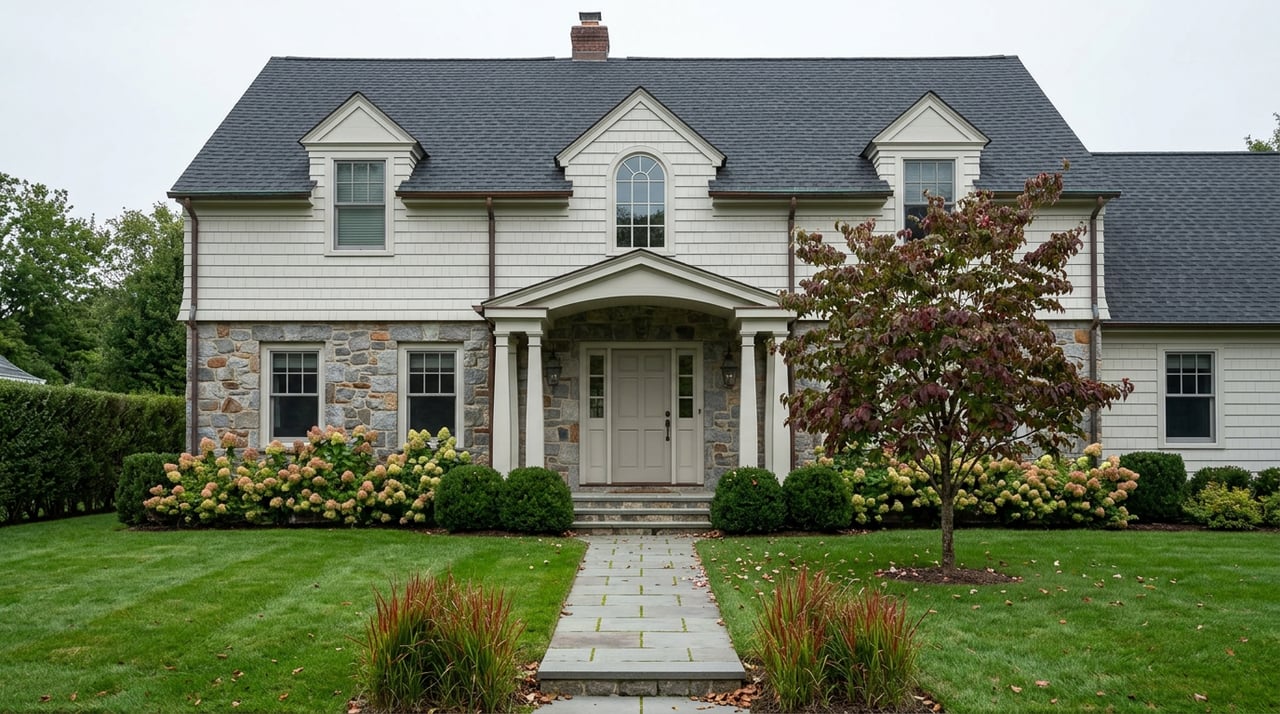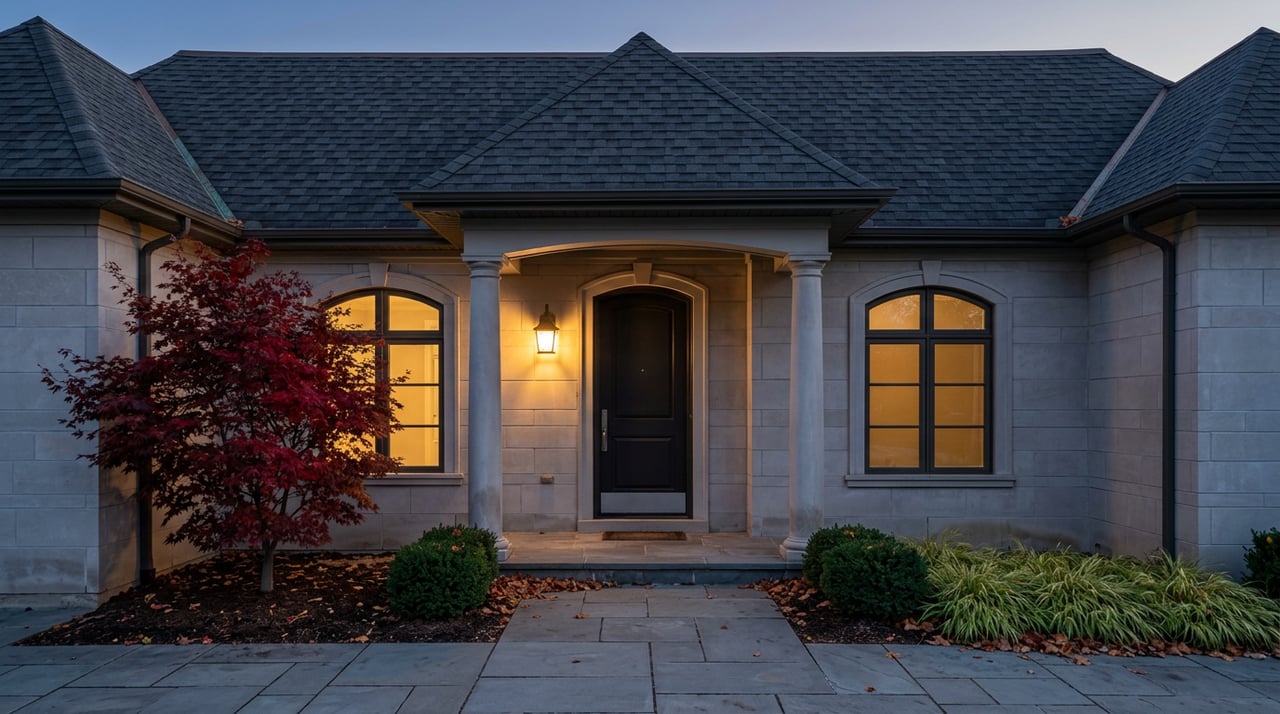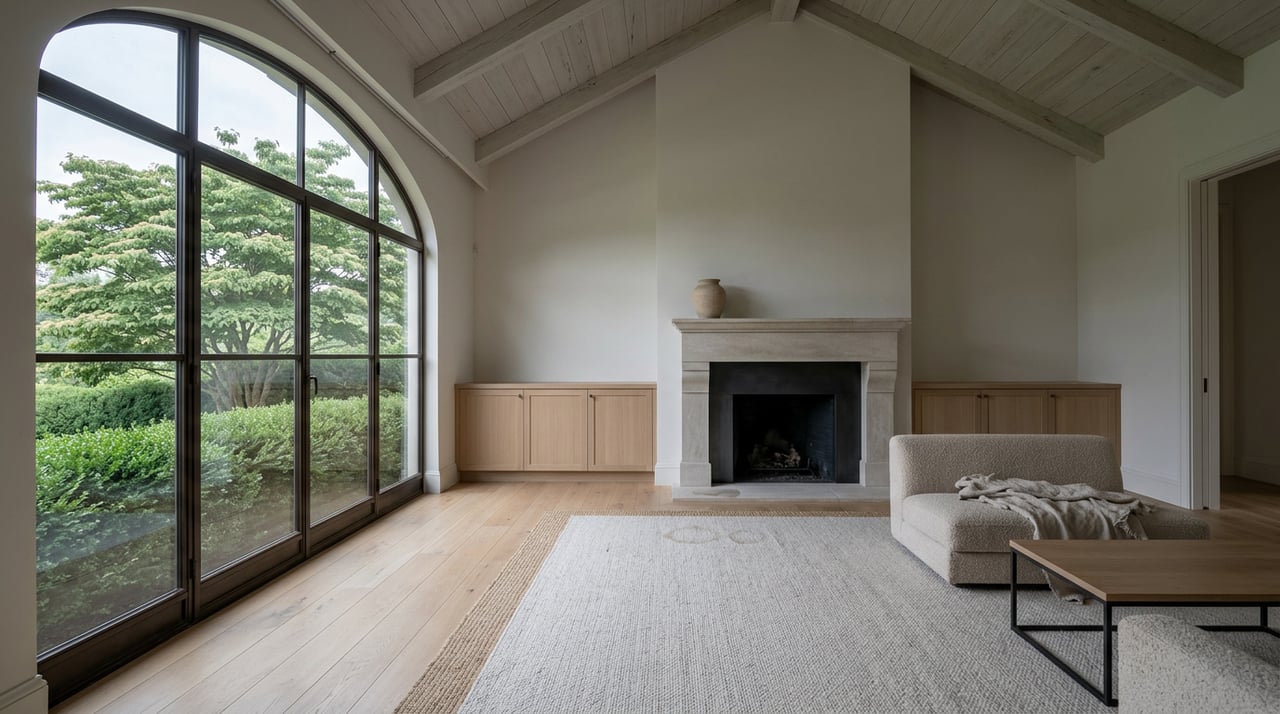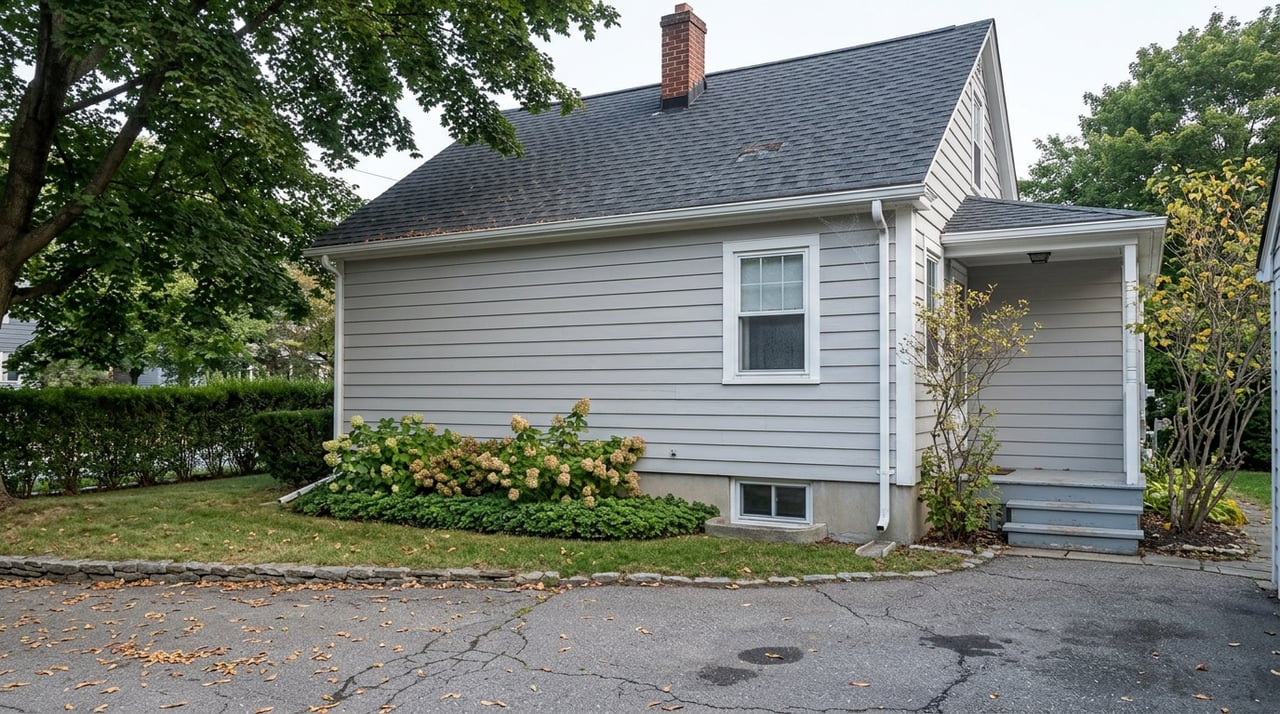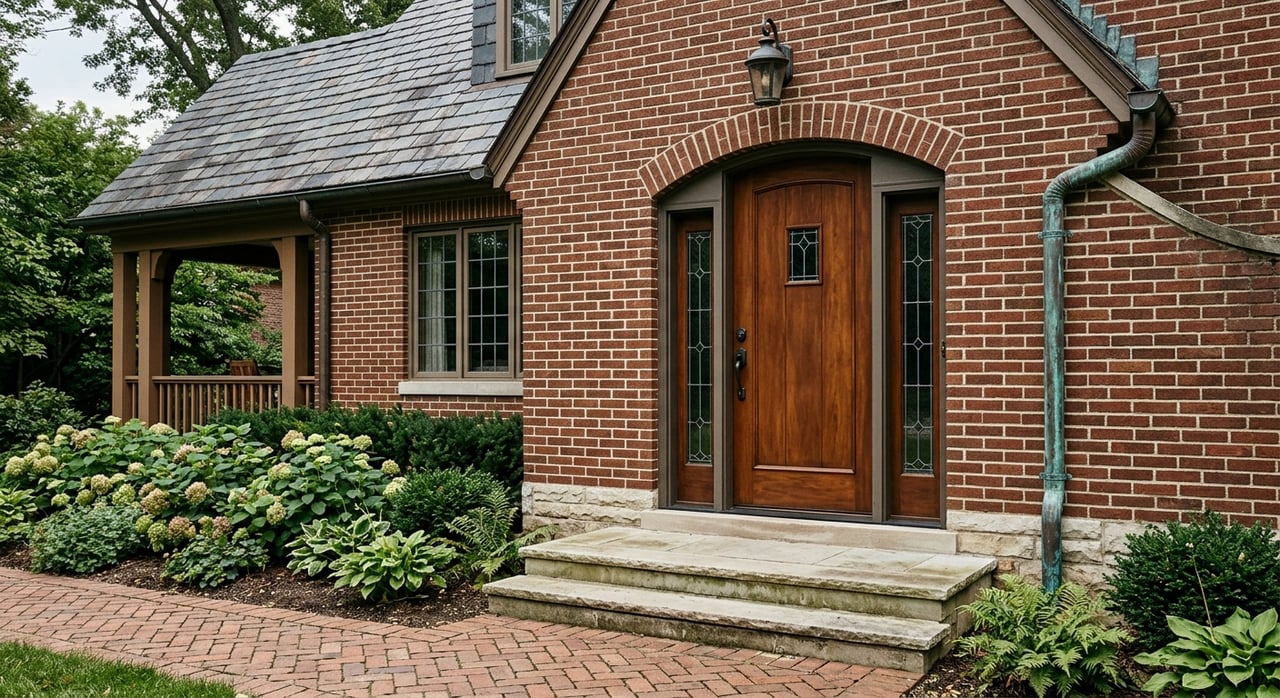
If you are drawn to Glen Ridge, chances are it is not just about square footage. It is about the feeling of a broad porch, a slate roof, mature trees, and a streetscape that looks carefully preserved over time. If you are thinking about buying or selling a historic home here, understanding that balance of charm, upkeep, and resale can help you make smarter decisions. Let’s dive in.
Why Glen Ridge Historic Homes Stand Out
Glen Ridge developed as a rail-connected residential community, with key rail service arriving in 1856 and 1872. According to the borough’s history, those rail links helped transform the area from farms and woodlands into a residential borough known for its architecture.
That architectural identity still shapes the market today. The borough highlights styles such as Carpenter Gothic, Italianate, Second Empire, Queen Anne Cottage, Shingle Style, and American Georgian or Early Federal. It also notes homes associated with Frank Lloyd Wright, Stanford White, and John Russell Pope.
What makes this especially important for buyers and sellers is scale. The Historic Preservation Commission states that the historic district covers more than 90% of Glen Ridge and stretches nearly the borough’s full length. In practical terms, historic character is not a niche feature here. It is part of how many homes are evaluated.
What Creates Glen Ridge Charm
The appeal of Glen Ridge historic homes goes well beyond architectural labels. The borough’s design guidelines describe a planned streetscape with mature trees, landscaped front yards, and a strong relationship between each house and its site.
That shows up in the details you notice right away. Front yards often extend the visual feel of the street, older walkways may curve rather than run straight, and driveways are typically set to the side. Bluestone sidewalks, cobblestone gutters, low masonry walls, and the borough’s gas lamps all contribute to a distinct look.
Many of the homes also have features that give them a larger presence than their lot size might suggest. Queen Anne homes often include asymmetrical facades, steep roofs, patterned shingles, bay windows, and broad porches. Shingle-style houses tend to emphasize continuous forms and uninterrupted wood shingles, creating a more unified exterior appearance.
What Buyers Should Know About Upkeep
Owning an older home in Glen Ridge can be deeply rewarding, but it does come with planning. Exterior work in the historic district is not something you typically handle on impulse.
The borough requires a Certificate of Appropriateness before exterior work begins. The current Historic Preservation Commission review process can apply to visible work involving roofs, siding, windows, porches, stairs, railings, sidewalks, paving, additions, and demolition. A September 2025 ordinance update also states that doors, windows, and previously unpainted masonry are now reviewed by the commission.
That may sound intimidating at first, but the borough also makes clear that the guidelines are flexible. They are intended to support building-specific solutions rather than force every house into the same formula. For buyers, that means the right question is usually not, “Can this home be updated?” but “How should this home be updated?”
Repair Often Comes Before Replacement
Glen Ridge’s design guidelines strongly favor preserving original materials when possible. Historic windows should be repaired and retained when feasible, and the guidelines note that old-growth wood windows can last more than a century with routine maintenance.
The same repair-first approach applies to other exterior elements. Slate roofs should be repaired and retained whenever possible. Visible masonry should be inspected for moisture issues and repointed with mortar that matches the original profile, size, and color.
Original porches, woodwork, and mature trees are also treated as important parts of a home’s character. If you are planning changes, new additions should remain subordinate to the existing house and fit established setbacks and spacing.
Practical Questions for Buyers
Before you buy a historic home in Glen Ridge, it helps to look beyond finishes and staging. Ask how the home has been maintained, what exterior work has been completed, and whether visible changes were reviewed as required.
A few smart questions include:
- Were windows repaired or replaced, and when?
- Has the roof been maintained, especially if it is slate?
- Has masonry been repointed, and was it matched appropriately?
- Are there records for exterior work, permits, or Certificates of Appropriateness?
- Which original features were preserved versus replaced?
These questions can give you a clearer picture of both near-term maintenance and long-term value.
How Upkeep Affects Resale
In Glen Ridge, preservation is closely tied to value. The borough’s official materials state that preserving the historic district’s architecture helps maintain and enhance property values.
For sellers, this creates a clear takeaway. A historic home that has been cared for thoughtfully can often be presented as a well-maintained asset with lasting appeal, not simply an older property with more to manage.
The strongest resale story usually comes from homes that keep their defining features intact. Preserved porches, well-maintained windows, appropriate roof repairs, sound masonry, and mature trees all support the home’s overall character. On the flip side, visibly mismatched replacements can weaken that impression.
What Helps a Seller’s Story
If you plan to sell a Glen Ridge historic home, documentation matters. Buyers often feel more confident when they can see a clear history of care and compliance.
Useful resale proof points may include:
- Records of exterior repairs and maintenance
- Certificates of Appropriateness, when applicable
- Permits for completed work
- Before-and-after photos of restoration work
- Notes showing what was preserved and what was replaced
This kind of paper trail can make the home easier to understand and easier to trust.
How Buyers and Sellers Can Think Strategically
For buyers, the goal is not to avoid older homes. It is to understand the difference between deferred maintenance and thoughtful preservation. A house with original details and good documentation may be more appealing than one that has been heavily altered without regard to the district’s standards.
For sellers, preparation starts before the listing goes live. Organizing records, clarifying what has been updated, and presenting the home’s original features clearly can all strengthen market confidence.
In a place like Glen Ridge, charm is not just emotional. It is part of the value equation. When you understand how upkeep, historic review, and resale fit together, you can approach your next move with much more clarity.
If you are considering buying or selling a historic home in Glen Ridge, local guidance can make the process far less overwhelming. The team at The Hudson Essex Collection can help you evaluate property condition, market positioning, and the details that matter most when historic character is part of the conversation.
FAQs
What makes Glen Ridge historic homes distinctive?
- Glen Ridge historic homes stand out for their architectural variety, including Queen Anne, Shingle Style, Italianate, and other period styles, along with streetscape features like mature trees, bluestone sidewalks, cobblestone gutters, and gas lamps.
Do Glen Ridge historic homes require approval for exterior work?
- Yes. In Glen Ridge’s historic district, exterior work visible from the street typically requires review by the Historic Preservation Commission and a Certificate of Appropriateness before work begins.
Can you still update a historic home in Glen Ridge?
- Yes. The borough’s guidelines are flexible, but they favor compatible materials and repair-first solutions rather than wholesale replacement of original features.
What exterior features matter most for Glen Ridge resale value?
- Preserved windows, porches, roofs, masonry, mature trees, and an overall exterior appearance that respects the home’s original design and the district’s character tend to support long-term appeal.
What should buyers ask before purchasing a Glen Ridge historic home?
- Buyers should ask about maintenance history, exterior repair records, permits, Certificates of Appropriateness, and whether key features such as windows, roofing, and masonry were preserved or replaced.
What should sellers prepare before listing a Glen Ridge historic home?
- Sellers should gather records for repairs, permits, approvals, and restoration work, along with clear notes on what original features were preserved, to help buyers understand the home’s condition and care history.