If you want a town where you can grab coffee, walk to dinner, catch a train, and still come home to a quieter residential street, Montclair likely keeps coming up for a reason. For many buyers and renters coming from New York City, Hoboken, or Jersey City, the big question is not whether Montclair is appealing. It is whether daily life here is actually walkable in a practical, day-to-day way. This guide breaks down how Montclair’s walkable districts work, what kinds of homes you tend to find near them, and what you can realistically expect from transit and car use. Let’s dive in.
How walkable Montclair really works
Montclair is not built around one single downtown. The township describes six business and shopping districts, which is the key to understanding daily life here.
That means your experience depends a lot on which pocket you choose. Rather than one long urban corridor, Montclair offers several concentrated areas where you can walk to restaurants, cafés, shops, arts venues, and in some cases the train.
Montclair Center is the best-known hub. According to Montclair Center BID, Bloomfield Avenue and nearby streets include more than 400 retailers and restaurants, making it the township’s largest and most active commercial district.
For many people, that setup is the appeal. You get a car-light lifestyle in specific nodes, while the surrounding residential streets often feel more traditional and lower-scale than a city neighborhood.
Montclair Center for main-street living
If you want the most urban-feeling daily routine in Montclair, Montclair Center is usually the clearest fit. This district centers on Bloomfield Avenue and nearby streets, where you can combine errands, dining, entertainment, and culture in one area.
The township highlights a major art museum, a concert venue, a cinema, hundreds of shops and cafés, and the public library nearby. It also notes multiple parking decks and lots, which matters because even in a walkable district, visitors and residents often still rely on a car for some trips.
In real life, Montclair Center works well for people who want options close together. You can picture a day where you pick up coffee, browse local shops, meet friends for dinner, and catch a film without needing to drive between stops.
Upper Montclair for village-style convenience
Upper Montclair offers another strong walkable pocket, but with a somewhat different feel. The township describes it as a district lined with Tudor-style shops and restaurants, with its own cinema and the Upper Montclair Train Station on Bellevue Avenue.
For commuters, that train access is a major part of the draw. The township specifically notes that Upper Montclair provides easy access to NY Penn Station, which can make the area especially appealing if you want walkability tied closely to transit.
The commercial buildings here are typically smaller in scale than a dense urban corridor. That can make the district feel more like a classic village center, where daily essentials and leisure destinations sit within a compact, walkable stretch.
Watchung Plaza for neighborhood rhythm
Watchung Plaza tends to feel more neighborhood-oriented. The township highlights local shops and restaurants, a well-known independent bookstore, and a coffee house that roasts its own beans.
Historically, the district developed around the Watchung Avenue Railroad Station as an early 20th-century shopping center. That background helps explain why the area still works well as a walk-to-train, walk-to-coffee kind of place.
If your ideal routine is a little less busy than Montclair Center, Watchung Plaza may stand out. It offers a compact commercial core, but the surrounding streets transition quickly into detached residential blocks.
Walnut Street for local flavor
The Walnut-Grove area gives you another version of walkable Montclair. The township points to galleries, artisan bakeries, and a mix of restaurant styles in and around the Walnut Street district.
This pocket also has a strong community rhythm. The Montclair Farmers Market runs on Saturdays from June through November in the Walnut Street train-station parking lot, adding a regular local gathering point to the district.
For some buyers or renters, that blend is exactly the goal. You get dining, small businesses, and train access, but in a setting that still feels distinctly local rather than heavily commercial.
Smaller districts still shape daily life
Montclair’s walkable lifestyle is not limited to the better-known hubs. The township also describes the South End as a smaller district with shops, restaurants, and the MLK Peace Garden.
Frog Hollow is presented as a lunch-friendly stretch along Valley Road near Edgemont Memorial Park. These areas may not define the town in the same way as Montclair Center or Upper Montclair, but they still matter because they add more options for everyday convenience.
That is one of Montclair’s strengths. Different districts support different routines, whether you want a more active dining scene, a quieter café-and-train setup, or smaller-scale neighborhood retail.
Arts and culture add to walkability
Walkability is not just about errands. It also matters whether a place gives you things to do once you put the car away.
Montclair has a strong arts and culture framework that supports that lifestyle. The township highlights the Montclair Art Museum, which has a collection of more than 12,000 works, along with the Montclair History Center, Wellmont Theater, Studio Montclair, Montclair Film, Van Vleck House & Gardens, and venues connected to Montclair State University.
That broader mix helps explain why Montclair often feels active beyond shopping hours. A walkable district becomes more useful when it also connects you to film, performance, exhibitions, and public spaces.
Housing near Montclair’s walkable districts
The housing story in Montclair is just as important as the dining and retail story. The township’s historic preservation materials help explain why many of the most walkable areas feel older, more compact, and more street-oriented than typical suburban commercial strips.
Montclair has four locally landmarked historic districts: Town Center, Upper Montclair, Pine Street, and Watchung Plaza. In practical terms, these areas often pair smaller-scale commercial buildings with surrounding residential streets that developed in an earlier era.
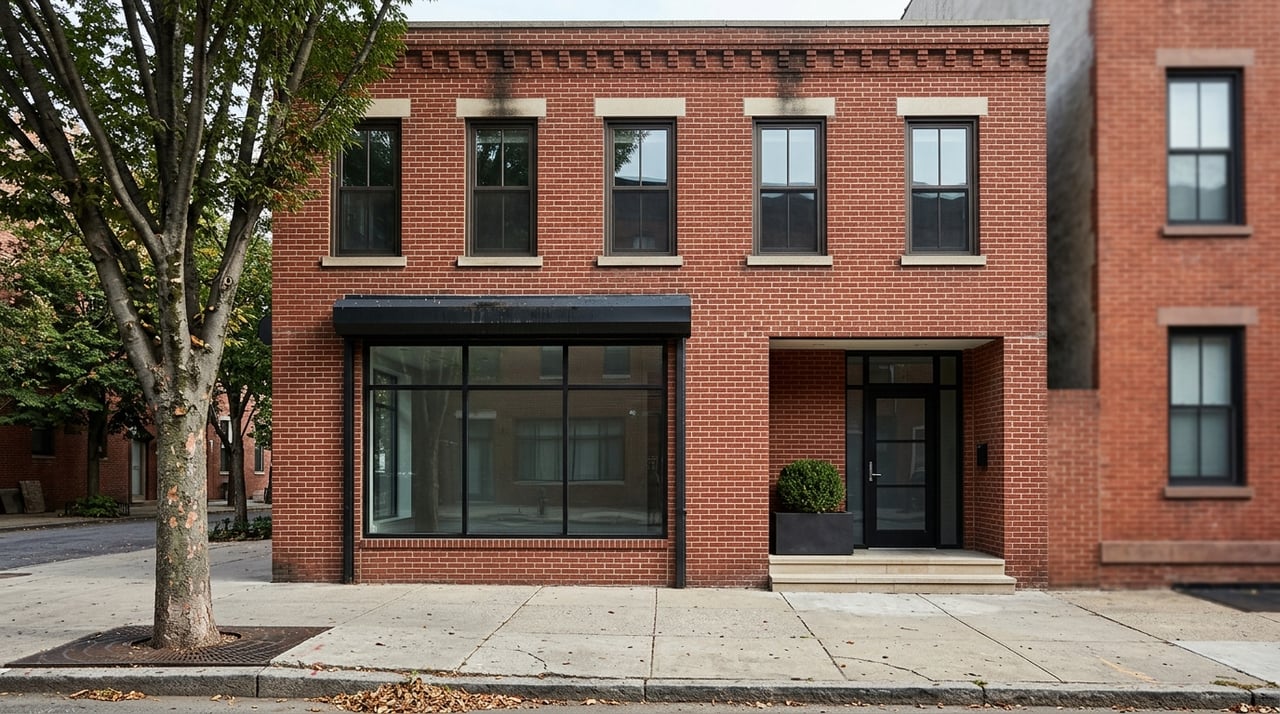
In Town Center, the township says the district consists mostly of one- to three-story commercial buildings. In Upper Montclair, buildings are mostly one to two stories, often with retail on the first floor and commercial or residential uses above.
That pattern can create the kind of mixed environment many buyers want. You may find yourself close to restaurants and shops, but not in a setting dominated by large-format development.
Single-family homes around the centers
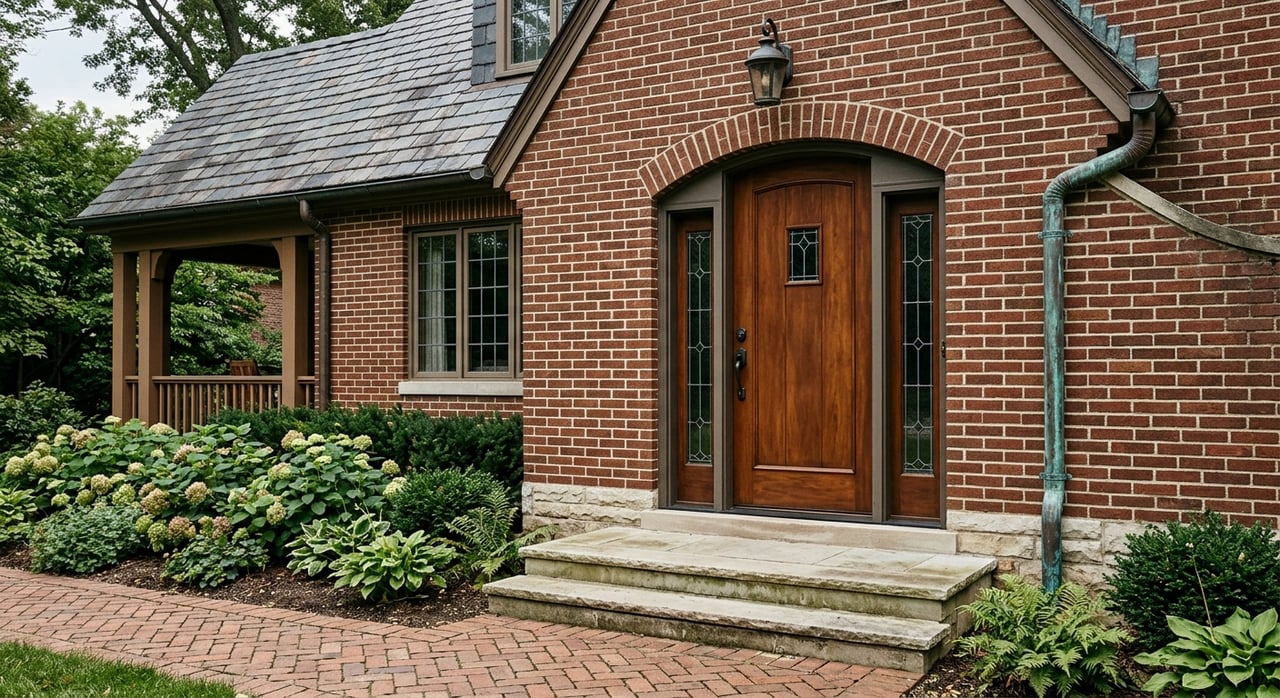
If you move just outside the main commercial pockets, detached single-family homes become a much bigger part of the picture. The township’s commuter-area survey says the Upper Montclair Commuter Area was primarily built between 1900 and 1929 and includes two- to three-story single-family houses with large front porches, medium-sized lots, front yards, and wide streets.
Watchung Plaza is also described as being surrounded by detached single-family homes. That contrast is a big part of Montclair’s appeal for move-up buyers who want access to restaurants and transit without giving up a more residential home setting.
In other words, many Montclair blocks offer a split experience. You can walk to a district for coffee or dinner, but your home environment may still feel more suburban and spacious than your destination.
Apartments and mixed housing options
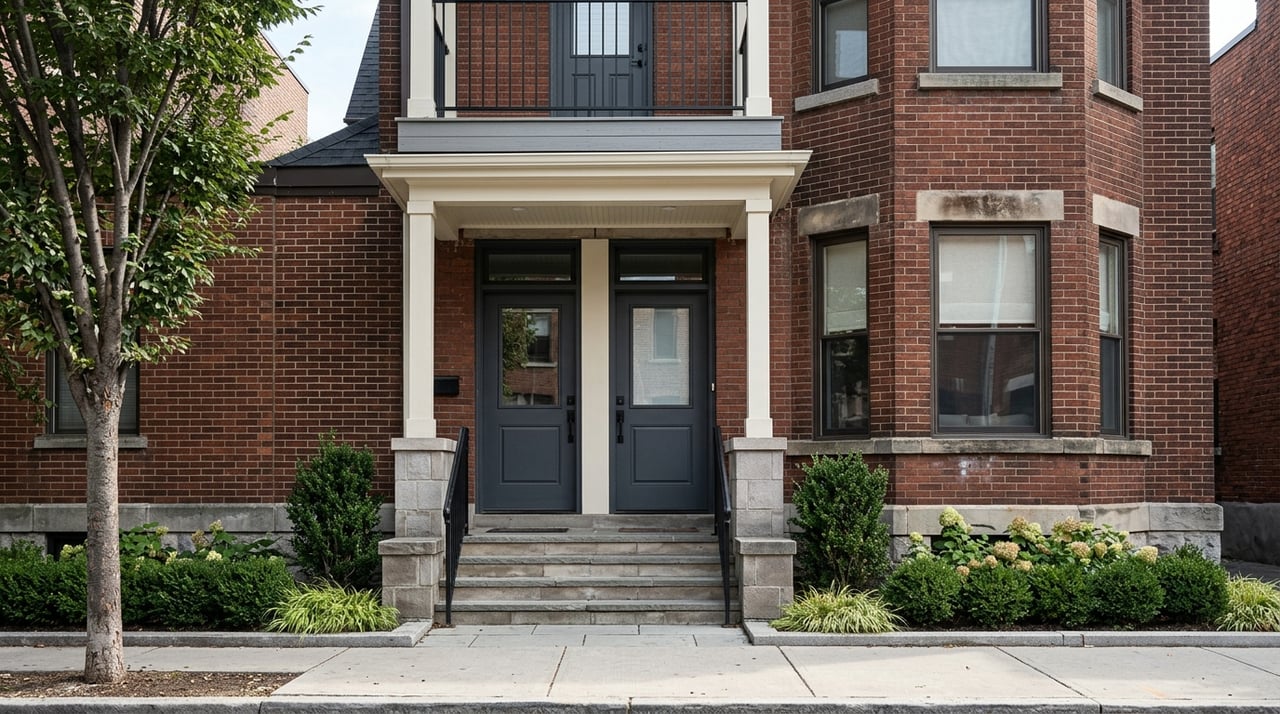
Apartment living is also part of Montclair’s housing mix, especially near transit and business districts. Township affordable-rental information includes apartment buildings within one block of Bay Street Station and the Pine Street business district, as well as another property within walking distance of Walnut Street and Bay Street stations.
That does not mean every walkable pocket is apartment-heavy. It does mean buyers and renters should think in terms of a mixed housing landscape, with some areas offering apartments or multi-family properties and others leaning more strongly toward detached homes.
Transit, parking, and car use
A common mistake is assuming that walkable automatically means car-free. In Montclair, a better way to think about it is car-light.
The township says Montclair has rail service on the Montclair-Boonton Line and bus service to New York City and New Jersey points through NJ Transit and Boxcar. Listed stations include Bay Street, Walnut Street, Watchung Avenue, Upper Montclair, Mountain Avenue, and Montclair Heights.
Upper Montclair and Watchung Avenue are specifically noted by the township as offering easy access to NY Penn Station. That can make those districts especially attractive if train access is one of your top priorities.
At the same time, parking remains part of everyday logistics. Montclair Center notes multiple parking decks and lots, and the township maintains parking utility resources for residents and commuters.
So, can you rely on transit? In many cases, yes, especially if you choose a home near one of the main districts and a station. But for grocery runs, school schedules, regional errands, or visiting beyond your immediate district, many households still find a car useful.
How to choose the right Montclair pocket
The best walkable fit depends on what you want your normal week to look like. Montclair offers several strong options, but they are not interchangeable.
If you want the busiest, most urban-feeling commercial core, Montclair Center is the strongest match. If you want a village-style district with train access and a slightly more compact neighborhood feel, Upper Montclair is worth a close look.
If your priority is a smaller commercial area with a neighborhood rhythm, Watchung Plaza may feel right. If you like artisan food, a community market, and a more local-scale mix of businesses, Walnut Street stands out.
For buyers and renters relocating from Hudson County or New York City, the biggest takeaway is simple: Montclair is walkable, but in clusters. Once you understand that structure, it becomes much easier to match your housing search to the kind of daily life you actually want.
If you are weighing Montclair against other Essex County or Hudson-to-suburb moves, working with an advisor who understands both the transit-oriented city mindset and the suburban trade-offs can make the search much more focused. If you want help comparing Montclair’s walkable pockets, housing options, and commute patterns, connect with The Hudson Essex Collection.
FAQs
Which Montclair district feels most urban day to day?
- Montclair Center is generally the most urban-feeling option because it is the township’s largest commercial district and includes hundreds of retailers and restaurants along with arts and entertainment venues.
Which Montclair areas are best for walking to dinner, coffee, and the train?
- Upper Montclair, Watchung Plaza, and Walnut Street are strong options for combining restaurants, cafés, and nearby train access, while Montclair Center offers the broadest dining and retail mix.
What housing types are common near walkable Montclair districts?
- Near Montclair’s main streets, you will often find older low-rise commercial buildings, some mixed-use properties, apartments in certain transit-linked areas, and nearby residential streets with detached single-family homes.
Can you live in Montclair without using a car every day?
- In some districts, you can manage many daily activities on foot and use rail or bus service for commuting, but many households still find a car helpful for errands, regional trips, and destinations outside their immediate walkable pocket.
Does Montclair have more than one downtown-style area?
- Yes. The township describes six business and shopping districts, so Montclair functions more as a collection of walkable centers than a town with one single downtown strip.