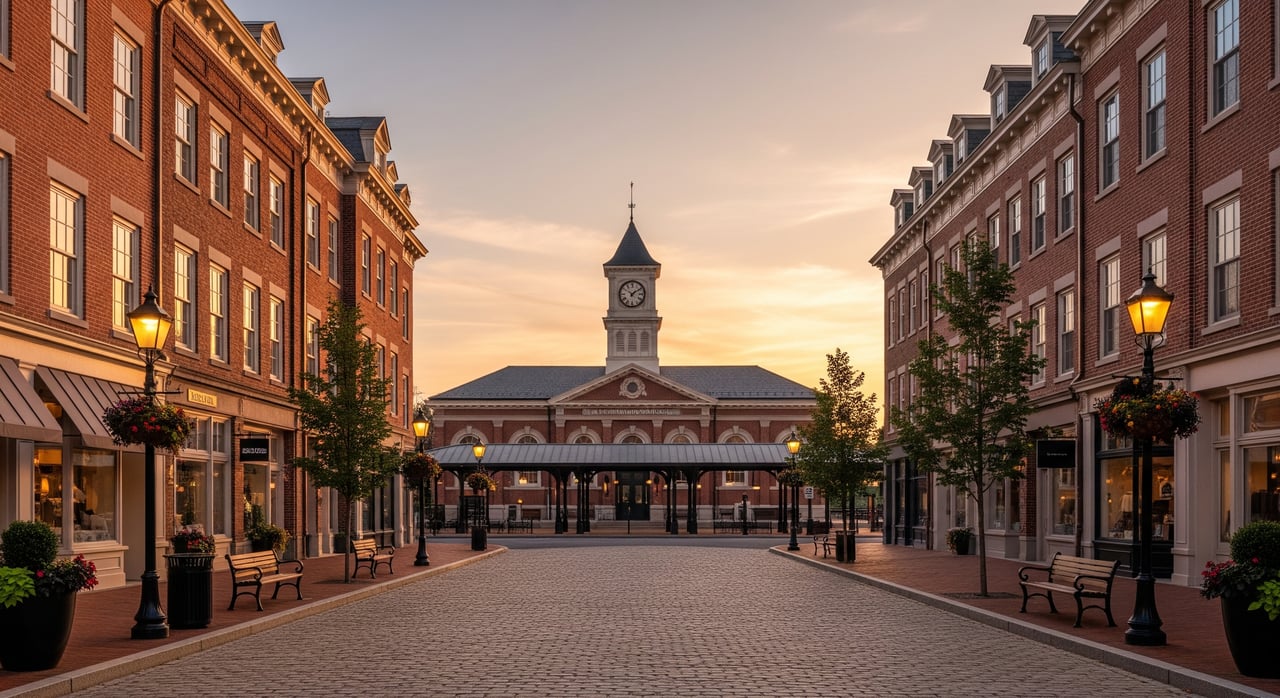
Wish you had a built-in backup plan for your commute? In South Orange, you do. With two NJ Transit rail stops inside the village, you can match your daily needs to the best route, enjoy more walkable choices, and tap into a lively downtown or a quieter residential pocket. In this guide, you’ll learn how the two-station setup works, how it compares to nearby towns, and what it means for your home search or sale. Let’s dive in.
What the two-station setup means
South Orange has two NJ Transit rail stops on the Morris and Essex lines: the primary downtown South Orange Station and the smaller Mountain Station. The stations are less than a mile apart and serve different parts of the village. You can confirm details like station facilities and parking on the official NJ Transit South Orange station page.
The downtown station is the main hub, with more frequent Midtown Direct service to New York Penn Station and easy bus connections. Many Midtown Direct trains bypass Mountain Station, which often sees direct Hoboken service or requires a transfer for Midtown. You can see the service pattern overview on the South Orange station reference page.
Downtown vs. Mountain Station living
Commute patterns and frequency
If you prioritize consistent direct Midtown trains, living near the downtown station usually makes day-to-day commuting simpler. Typical peak rides to New York Penn are commonly around 30 to 40 minutes, depending on the departure. For specifics, always check the current NJ Transit schedules.
Mountain Station offers a quieter boarding experience and convenient access for Montrose-area residents. Many trains there run to Hoboken or require a transfer for Midtown. Your best choice depends on where you go most weekdays.
Walkability and amenities
The downtown station sits beside shops, restaurants, a seasonal farmers market, and the South Orange Performing Arts Center (SOPAC). That mix creates classic transit-oriented convenience and a lively village feel. Explore the arts hub next to the station through SOPAC’s listing. Mountain Station’s setting is more residential, which many buyers value for its calmer streets.
Parking and permits
Downtown has multiple municipal and NJ Transit lots with daily and permit options. Availability, rules, and waitlists can change, so confirm details on the NJ Transit station page. Mountain Station has fewer facilities, so plan ahead if you expect to drive and park.
South Orange vs. nearby towns
Maplewood: one station, similar corridor
Maplewood has a single station on the same Morris and Essex corridor with Midtown Direct service. Buyers often compare a South Orange two-station setup to Maplewood’s central village and single hub. See the overview of Maplewood Station.
Millburn and Short Hills: two stations, different context
Millburn Township has two stations that serve different neighborhoods, with frequent Midtown Direct service. The area is known for premium housing and an established town center. Learn more about the township context on Millburn’s overview page.
West Orange and Livingston: bus or drive
Nearby West Orange and Livingston do not have in-town NJ Transit rail stations. Many commuters in those towns drive to rail in neighboring municipalities or use bus options. South Orange’s in-village rail access is a clear advantage for buyers who want to avoid a daily station drive.
Buyer and seller advantages
Flexibility and backup options
Two stations give you built-in redundancy. If a particular train is delayed or a service pattern shifts, you may be able to walk to the other station or adjust your route. Local reporting on periodic disruptions shows why flexibility matters for Morris and Essex riders; see a recent example of regional service impacts in Village Green’s coverage.
Micro-market pricing factors
Homes within a short walk of the downtown station often command a premium because of direct Midtown service and the lively village scene. Mountain-adjacent homes can appeal to buyers seeking a quieter setting and may trade at a different price point. Exact premiums vary by season and inventory, so use current MLS snapshots when you are ready to buy or sell.
Costs and risks to weigh
Service changes and reliability
Transit systems evolve. Maintenance projects and unexpected disruptions can affect frequency and travel times. The good news is that two stations widen your options on days when service is less predictable. For a sense of how disruptions ripple across the corridor, review Village Green’s report.
Fare increases and budgets
NJ Transit enacted a 15 percent fare increase effective July 1, 2024, with ongoing annual adjustments planned. Build that into your monthly commute math. For background, see AP News coverage of the fare changes.
Beyond the commute: schools and anchors
South Orange shares the South Orange–Maplewood School District with Maplewood, which is a key factor for many households. You can review district background on the South Orange–Maplewood School District page. The village is also home to Seton Hall University, which adds year-round energy and some rental demand near campus; see the Seton Hall University overview.
How to pick your best-fit station
- If you commute to Midtown: Prioritize a short walk to the downtown station for direct trains and frequent service. Confirm times on the NJ Transit page.
- If you prefer Hoboken access: Living near Mountain Station can make sense if your job or transfers center on Hoboken.
- If you want a quiet setting: Mountain-area blocks offer a more residential feel. Downtown delivers the village energy beside SOPAC, shops, and dining.
- If you need to drive to the train: Check parking rules, daily rates, and permit waitlists before you buy. Start with NJ Transit’s station details.
When you are ready to tour homes near either station or price your sale for this two-station market, reach out to The Hudson Essex Collection for local guidance and a clear plan.
FAQs
Does South Orange really have two train stations?
- Yes. The village has South Orange Station downtown and Mountain Station nearby, both on the Morris and Essex lines. See the station reference and NJ Transit page.
How long is the commute from South Orange to NYC?
- Typical peak Midtown Direct rides from the downtown station are often around 30 to 40 minutes, depending on the train. Check current times on the NJ Transit schedules.
What is the difference between the two stations for service?
- Downtown has more Midtown Direct frequency. Mountain Station often has direct Hoboken trains and may require a transfer for Midtown. See the service overview.
How does South Orange compare to Maplewood and Millburn for transit?
- Maplewood has one main station on the same corridor. Millburn Township has two stations serving different neighborhoods, both with strong Midtown Direct access. See Maplewood Station and Millburn’s overview.
Are there parking permits at the stations?
- Yes, the downtown station area includes a mix of daily and permit parking, with rules and availability that can change. Start with the NJ Transit station details and confirm current local permit policies.